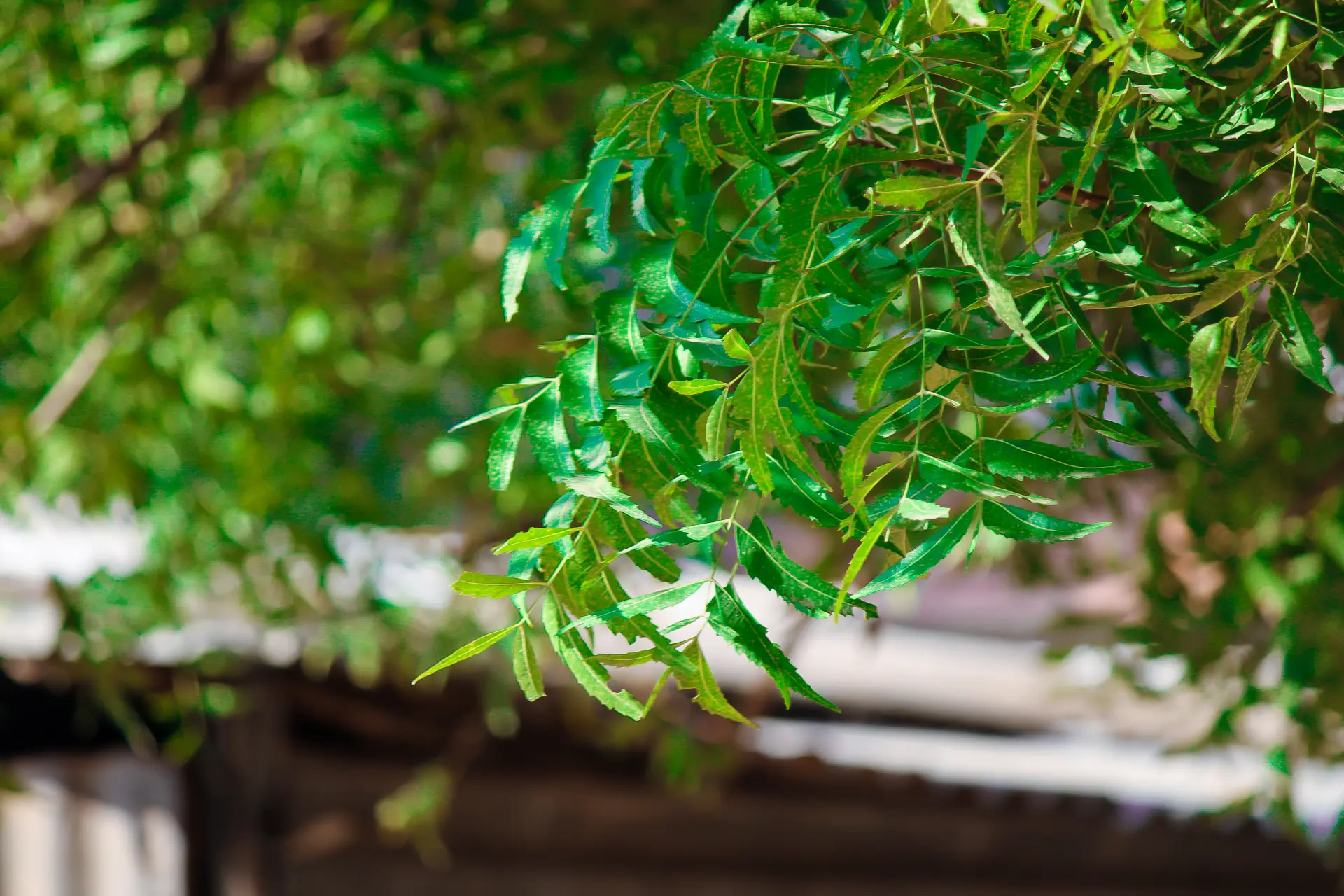
Soil Health & Ecology
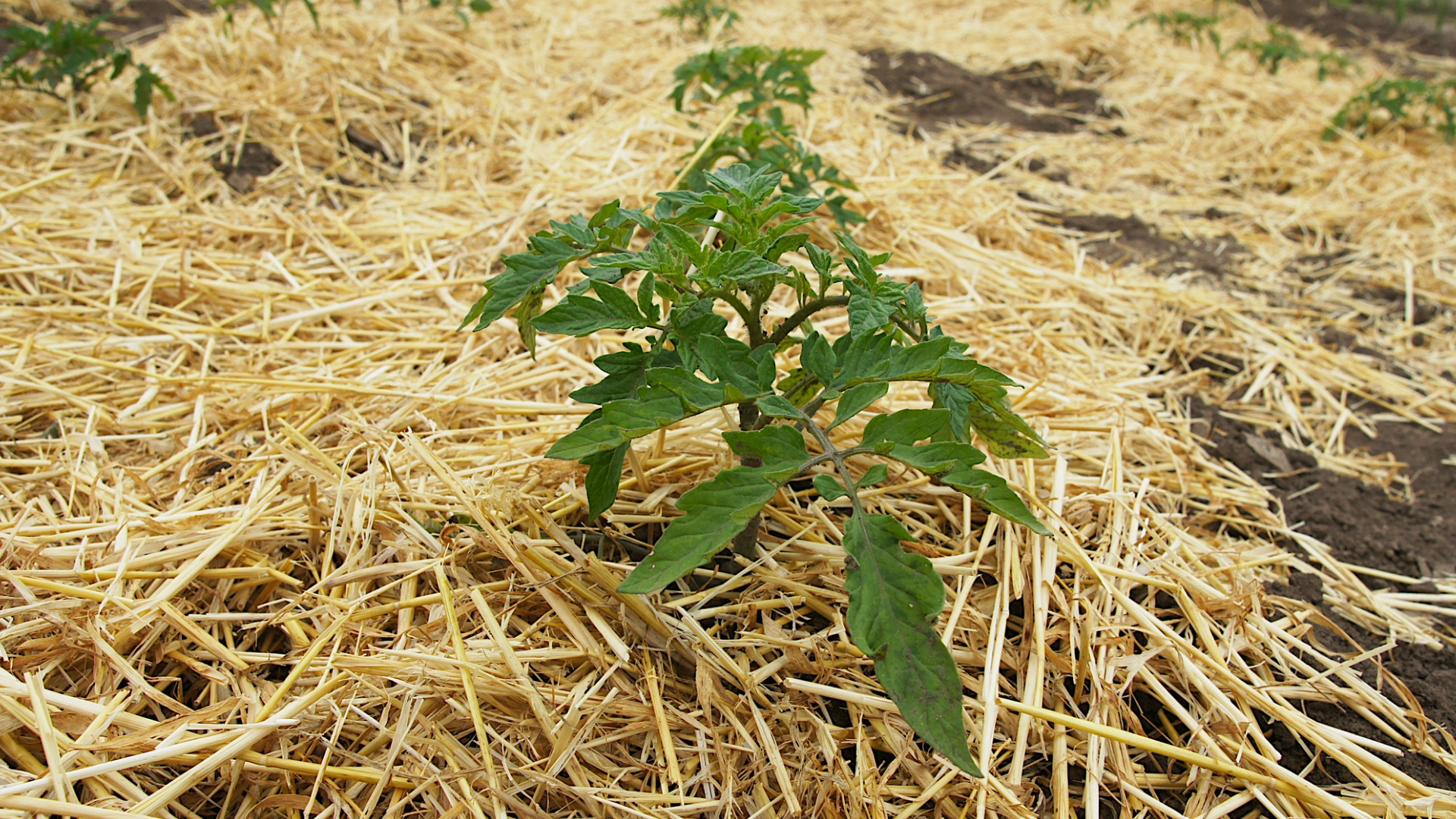
How Long Mulch Takes to Actually Change Soil Structure
Many farmers apply mulch and then wait for dramatic results within days. When soil still looks the same after a week or two, doubt sets in. Mulching gets dismissed as slow or ineffective. In reality, mulch works on soil in stages, not instantly, and each stage shows up differently in the field. At Terragaon Farms
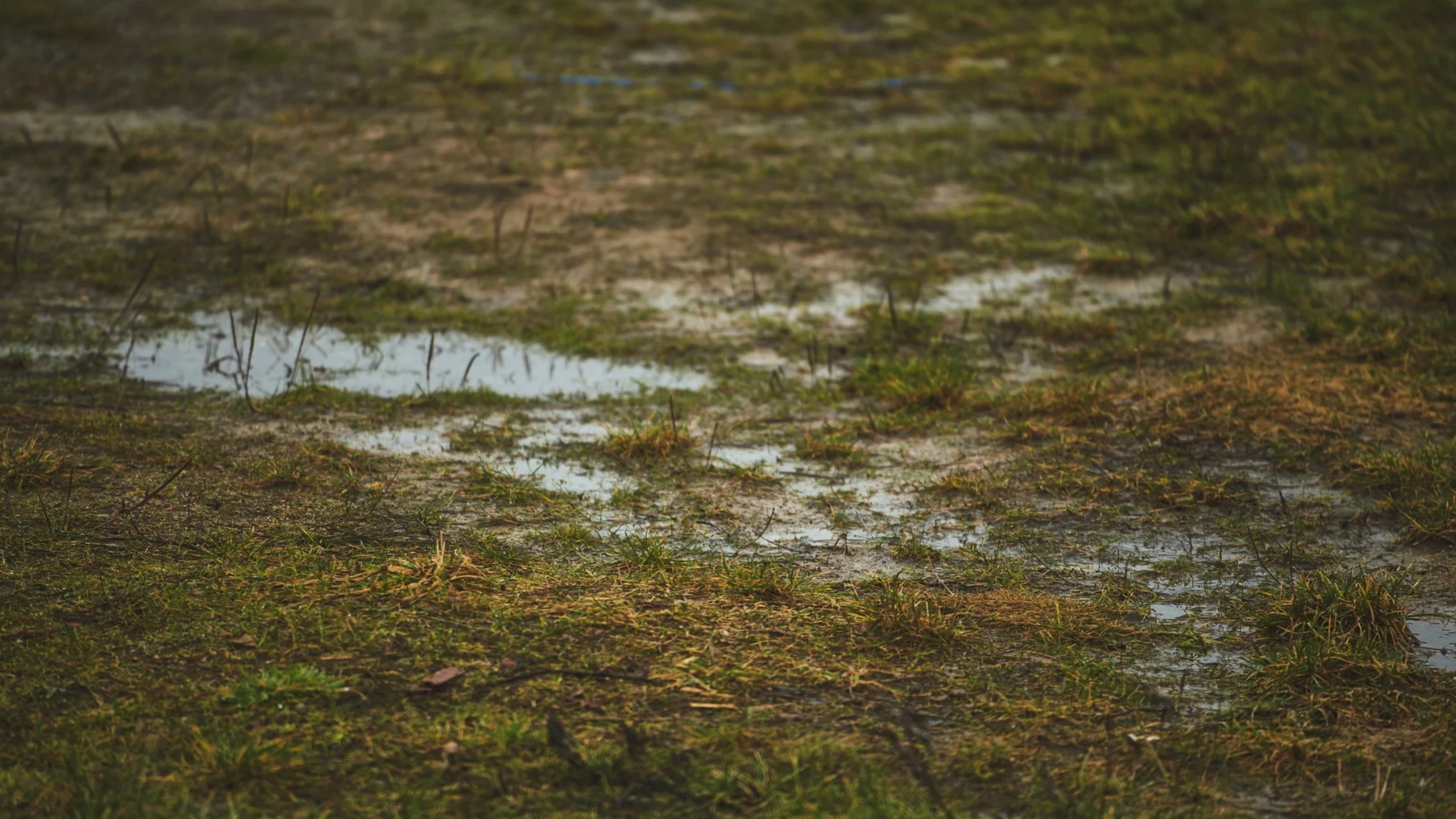
Why Soil Becomes Hard After Rain in Red and Lateritic Areas
Farmers across red and lateritic regions often describe the same frustration. The field looks moist after rain, but within a day or two the surface turns hard like brick. Roots struggle. Seedlings fail. Water runs off instead of soaking in. This problem appears repeatedly in parts of West Bengal, Jharkhand, Odisha, and similar landscapes. At
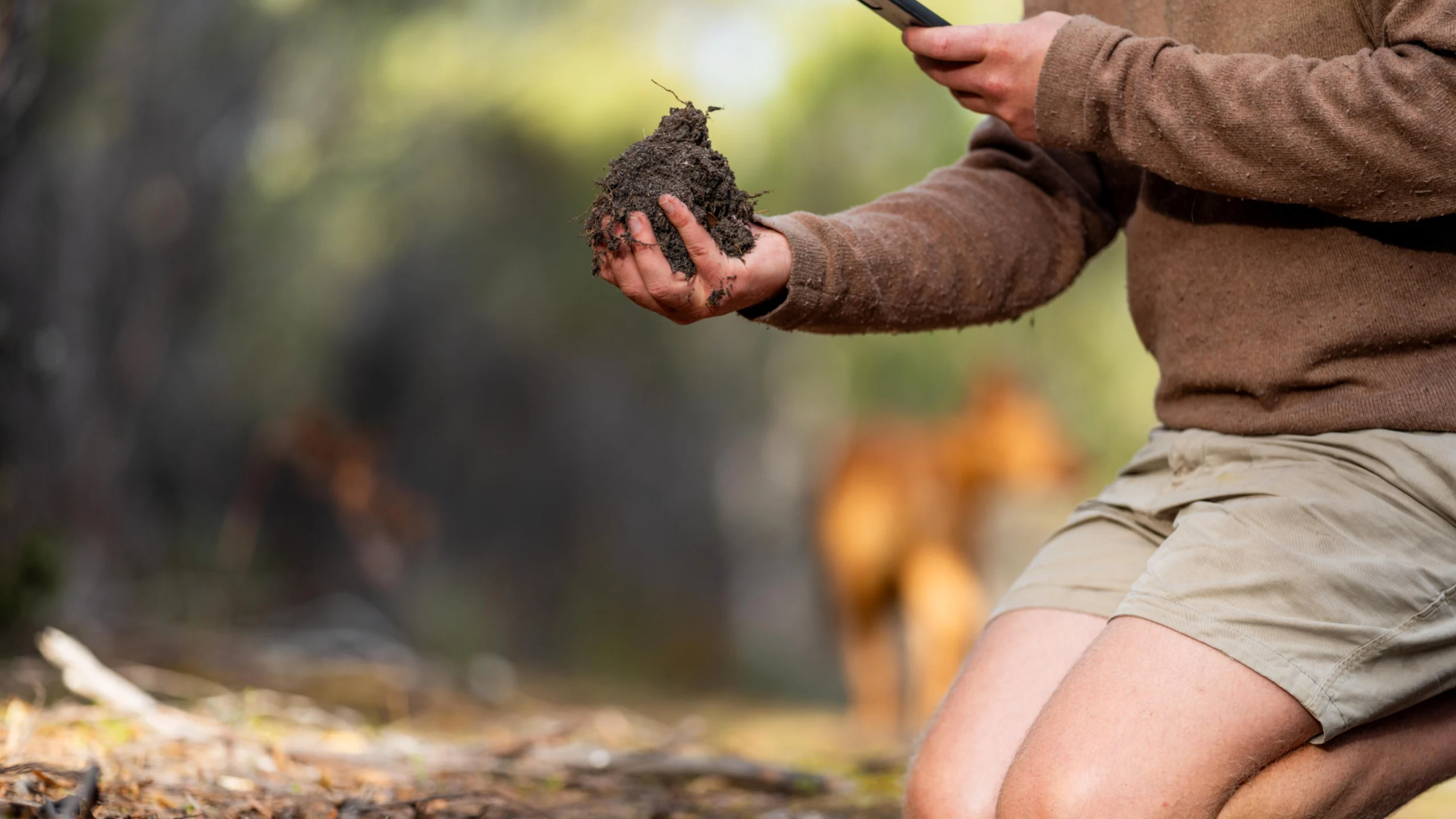
Soil Microbes Explained Without Scientific Jargon (Indian Context)
Most Indian farmers hear the word microbes today. It appears in fertilizer ads, natural farming talks, and soil health discussions. Yet for many, microbes remain invisible actors spoken about in complicated language. When things are not understood clearly, they are either ignored or blindly trusted. At Terragaon Farms in Birbhum, West Bengal, our understanding of
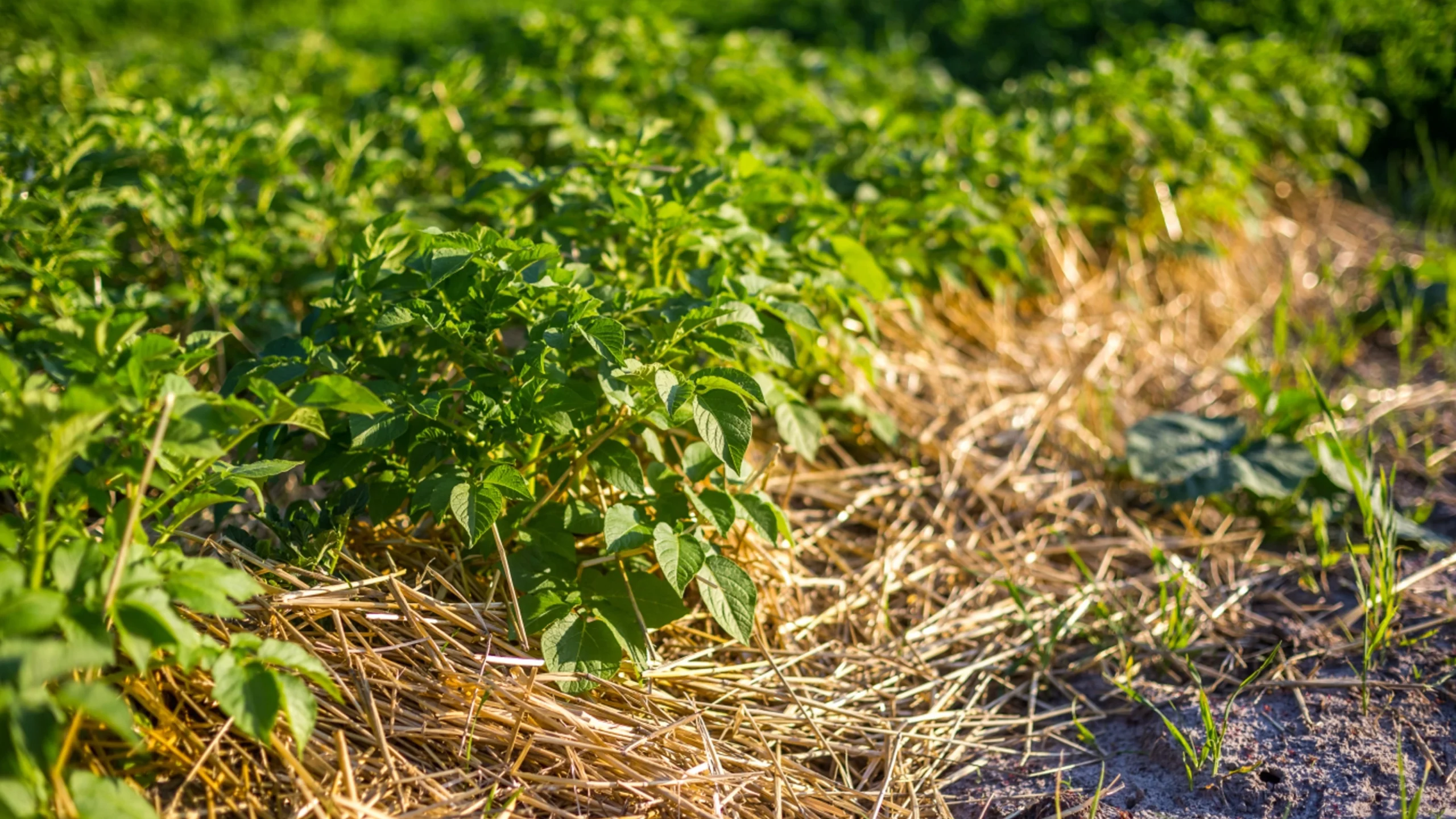
Mulching vs Compost: Which Improves Soil Faster on Small Farms
Small farmers often ask a very practical question. If time, labor, and money are limited, should effort go into mulching the field or making compost first. Both are promoted as essential for soil health, but they do not work in the same way or at the same speed. At Terragaon Farms in Birbhum, West Bengal,
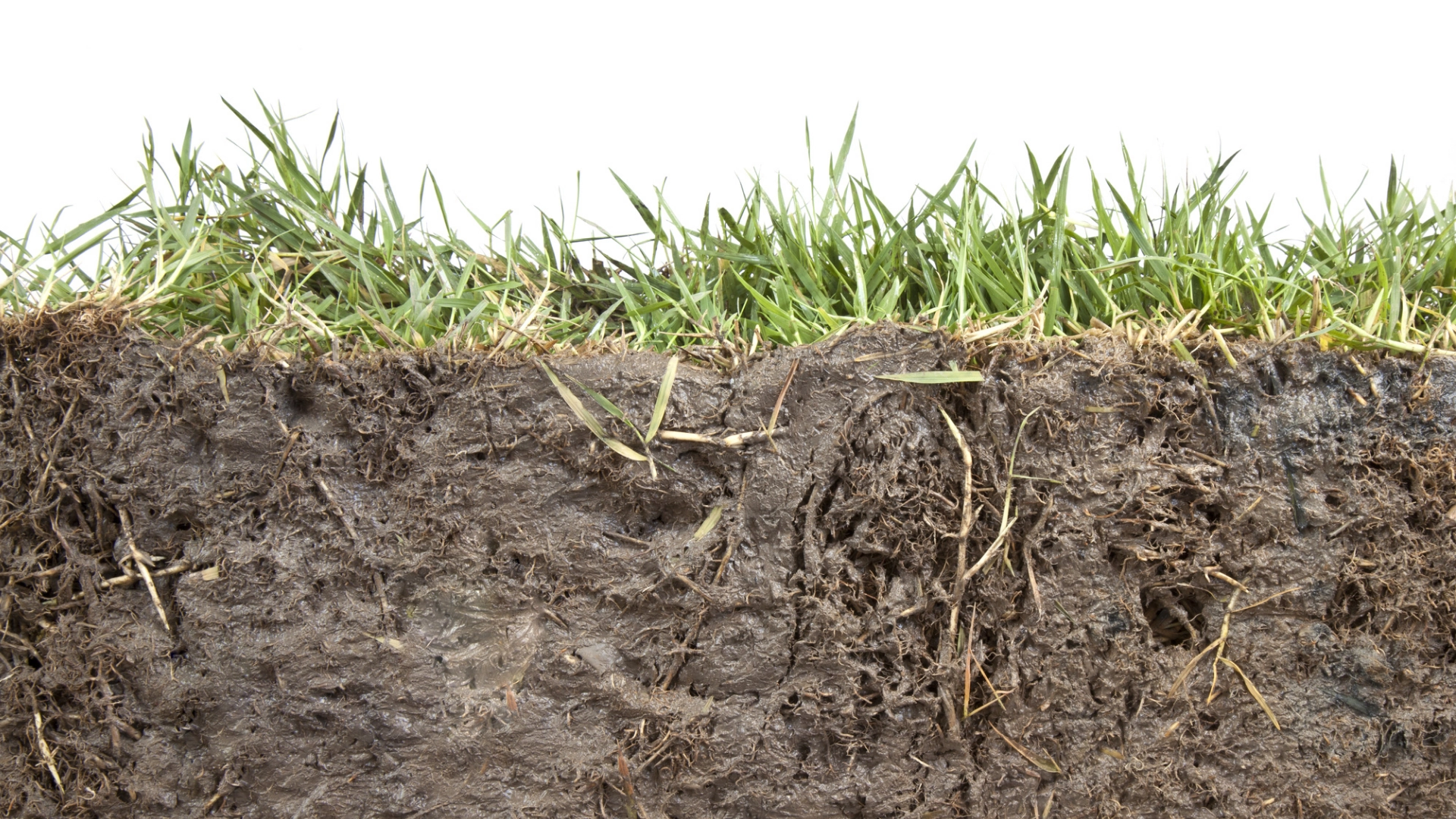
Why Indian Soils Are Losing Organic Matter Even With Fertilizer Use
Across India, farmers apply fertilizer every season and still watch their soil become harder, lighter, and less responsive. Yields stagnate. Water runs off faster. Crops show stress even when nutrients are applied on time. This pattern is now common across regions and cropping systems. At Terragaon Farms in Birbhum, West Bengal, we saw the same
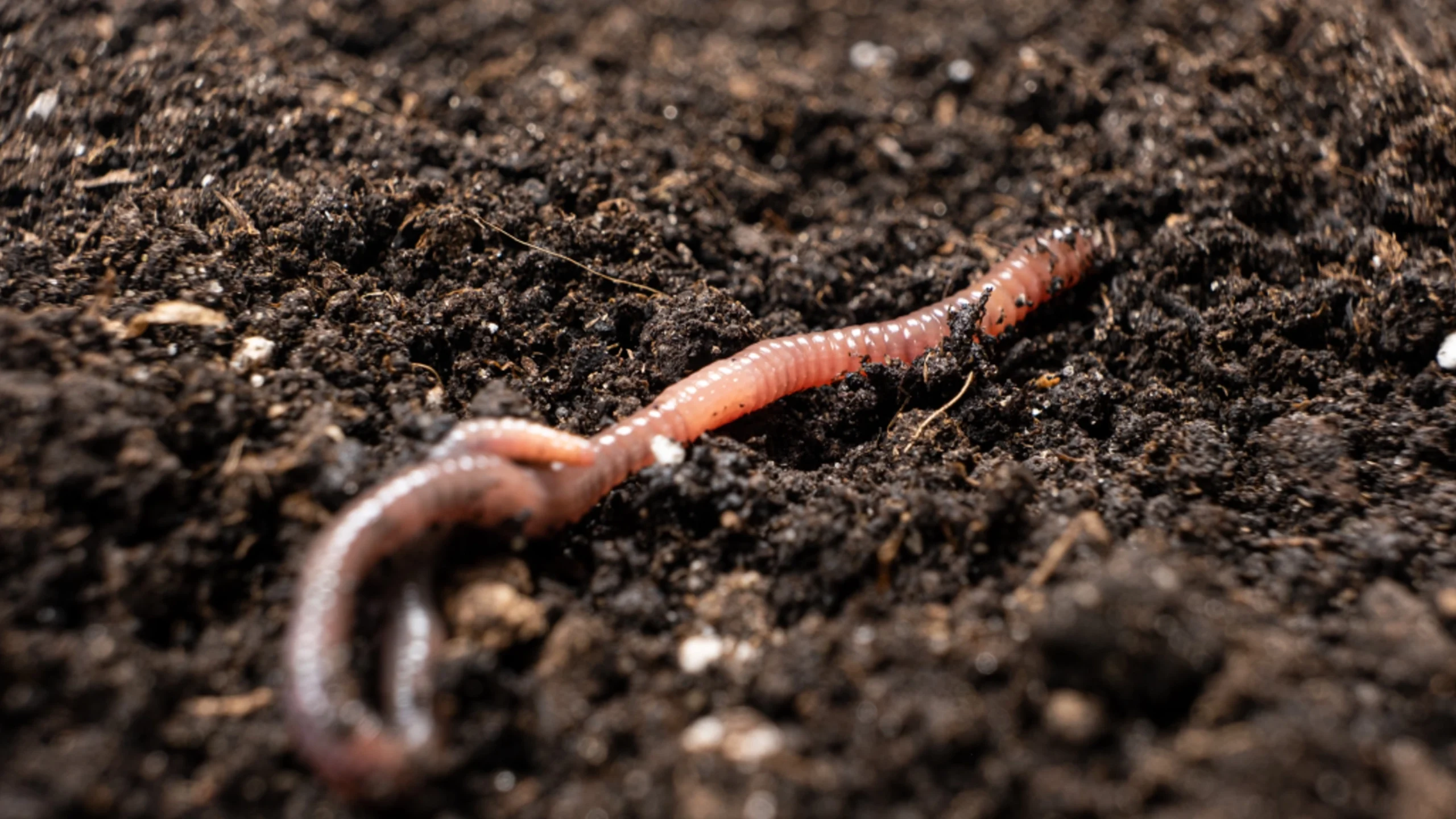
How to Read Soil Health Without a Lab Test (For Indian Farmers)
Most Indian farmers believe soil health can only be understood through a laboratory report. Numbers for nitrogen, phosphorus, potassium, pH. When those numbers look low, more fertilizer is added. When crops still struggle, confusion grows. On real farms, soil health is rarely first revealed on paper. It shows itself in the field, quietly, through texture,
Why Soil Tests Often Confuse Small Farmers
For many small farmers in India, soil testing feels like a responsible step. Samples are collected, reports arrive with numbers, and recommendations follow. Yet instead of clarity, many farmers feel more confused than before. The problem is not that soil tests are useless. The problem is how they are interpreted and what they leave out.
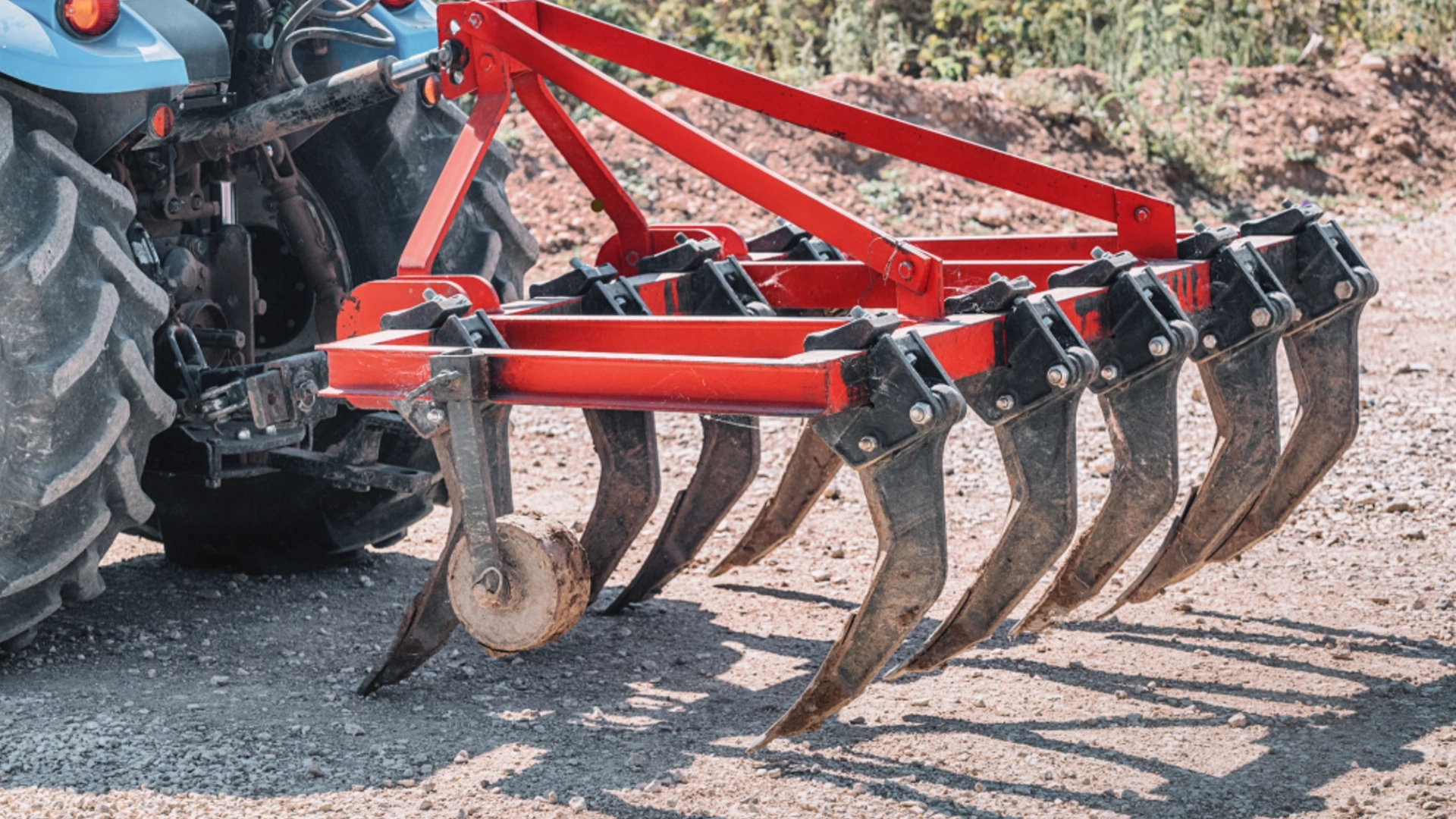
How Tillage Changes Soil Biology More Than Fertilizer
(Mechanism, Not Ideology) When soil health declines, fertilizer often gets the blame. Too much urea. Too many chemicals. While fertilizer misuse does affect soil, it is rarely the first or most powerful disruption. On most Indian farms, tillage changes soil biology more deeply and more immediately than fertilizer ever does. At Terragaon Farms in Birbhum,