
Soil Health & Ecology
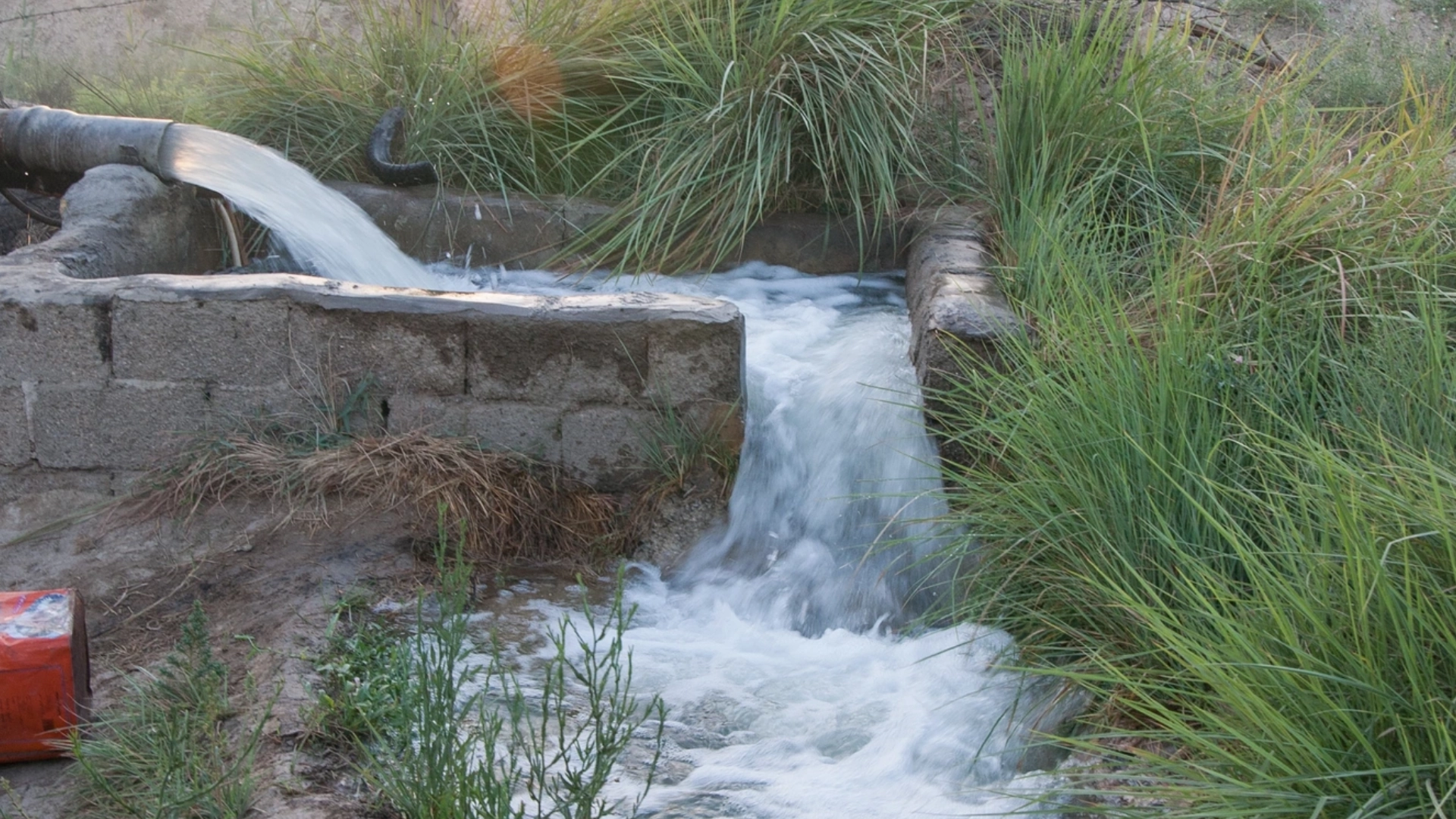
Why Watering Alone Cannot Save Crops in Birbhum’s Laterite
In the hyper-thermic lateritic zones of Birbhum, surface watering is mathematically incapable of maintaining soil moisture. When ambient air temperatures reach 45°C, surface evaporation rates exceed infiltration rates. Water poured onto bare laterite soil does not hydrate it. It seals it by crust formation. At Terragaon Farms, we found that moisture retention depends not on
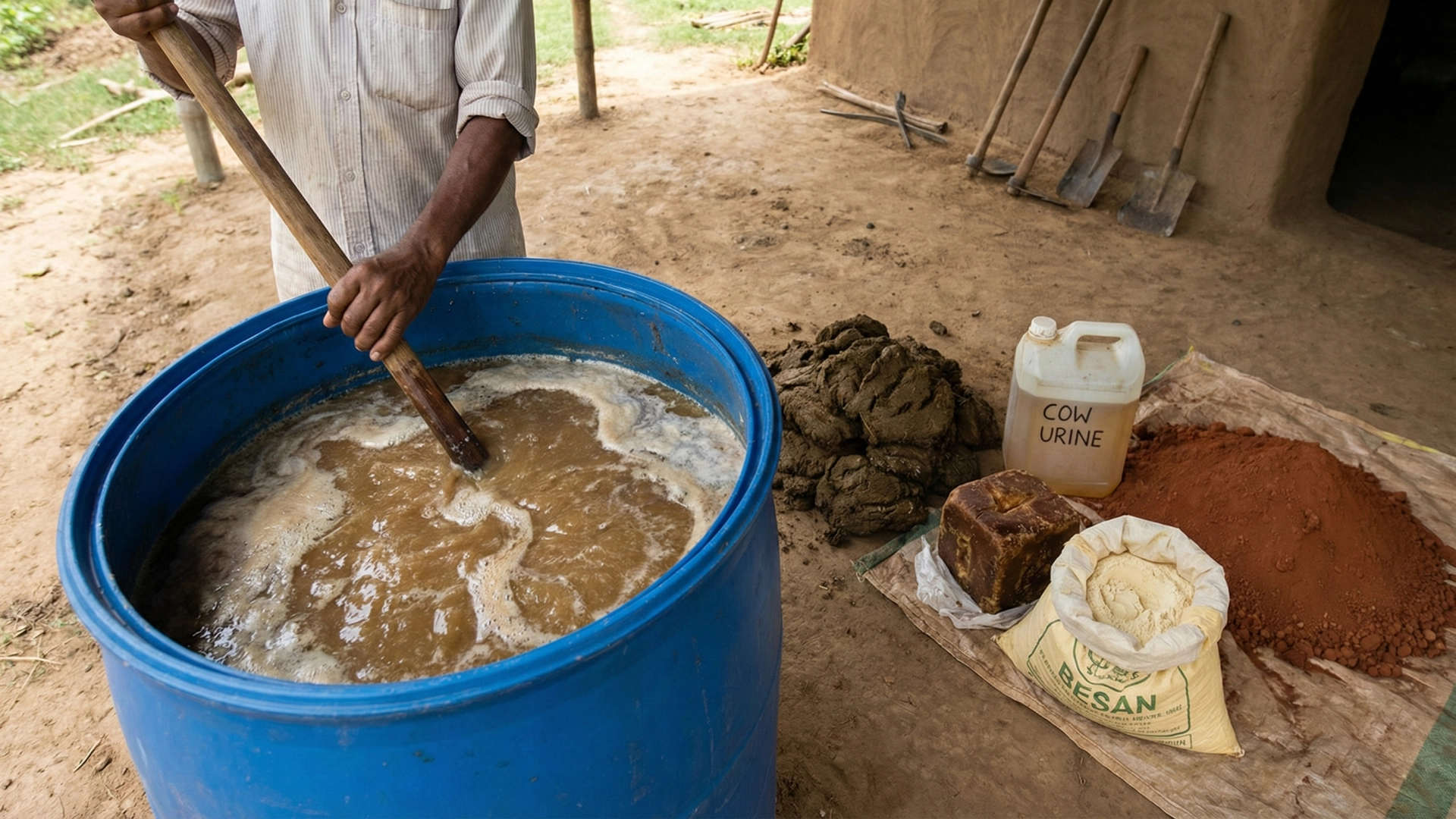
How We Prevent Hardpan Re-Sealing in Birbhum’s Lateritic Soils
The “Breaker Enzyme” slurry is a purpose-built, fungal-dominant microbial inoculant used only during the first twelve months of soil regeneration in Birbhum’s lateritic zones. Its sole function is to accelerate the decomposition of woody biomass placed inside sub-soiler rip lines so that those fractures do not reseal into dry air pockets that kill roots. Unlike
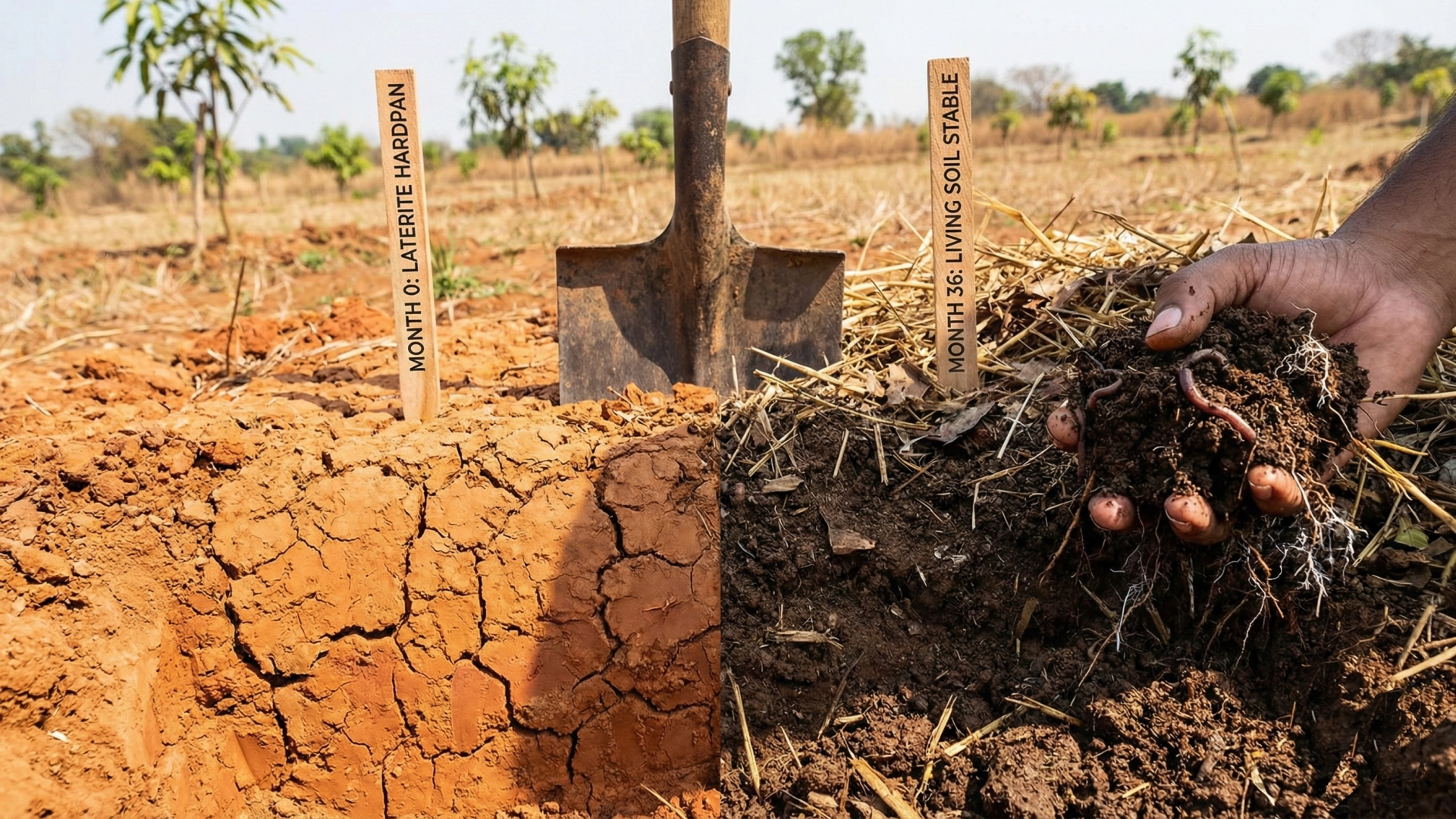
The 36-Month Rule: Why Soil Regeneration Cannot Be Rushed in Birbhum’s Laterite
In the red lateritic belt of Birbhum, West Bengal, building living soil is a minimum 36-month biological process. There are no shortcuts. While surface appearance can improve within six months, stabilising Soil Organic Carbon above 0.8 percent and establishing a self-sustaining fungal network requires three full monsoon cycles. Year one repairs physical structure. Year two

Nutrient Density in Naturally Grown Vegetables
Naturally grown vegetables are more nutrient-dense because healthy soil biology regulates mineral uptake, slows growth speed, and stimulates the formation of secondary plant compounds. At Terragaon Farms in Birbhum, West Bengal, vegetables grown under natural, low-input systems consistently showed deeper colour, stronger aroma, longer shelf life, and higher perceived satiety. Nutrient density is not created

Crop Residue Management Without Burning
Crop residue can be managed without burning by retaining residues on the soil surface as mulch, selectively incorporating them into the topsoil, or reallocating them to livestock and compost systems. At Terragaon Farms in Birbhum, West Bengal, field observations show that residue retention improves soil moisture stability, reduces surface crusting, and increases soil organic carbon,

What Beginners Should Learn First: Soil, Crops, or Compost
What should beginners learn first in farming Beginners should learn soil first, not crops or compost.At Terragaon Farms in Birbhum, West Bengal, every beginner failure we documented was caused by misunderstanding soil behavior under heat, monsoon rainfall, and low-input conditions. Crops only perform within soil limits. Compost only accelerates existing soil processes. Without soil literacy,

Soil Moisture Retention: Why Some Fields Stay Wet Longer
After the same rainfall, some fields stay moist for days while others dry out within hours. Farmers notice this difference clearly, especially during dry spells. One field needs irrigation again. Another holds moisture quietly and supports crops longer. This difference is not luck. It is soil structure and biology at work. At Terragaon Farms in
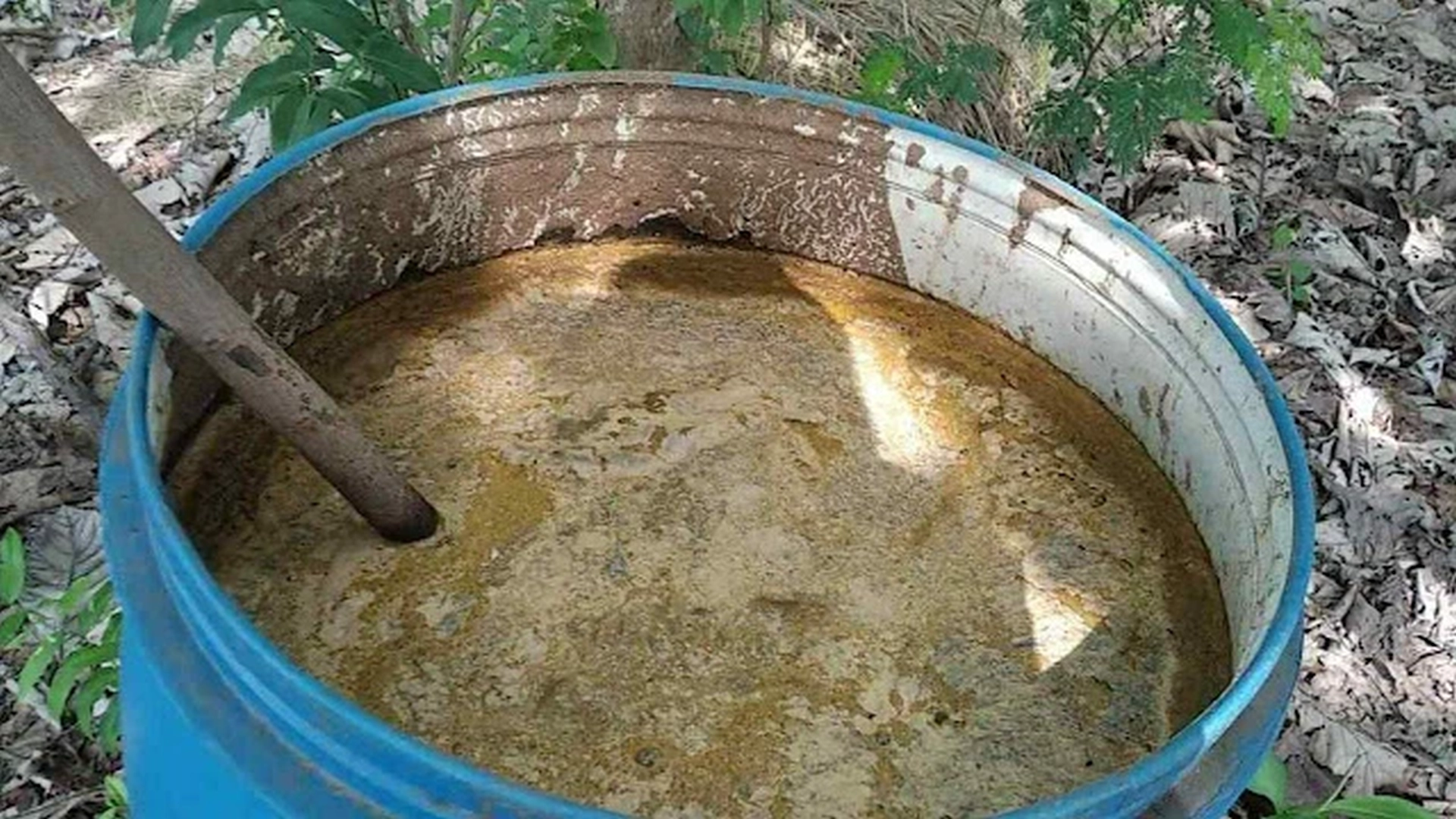
Why Jeevamrut Dies the Moment It Hits Dry Soil
In the lateritic zones of Birbhum, applying liquid biofertilizers such as Jeevamrut to dry soil is biologically ineffective and economically wasteful. Soil microbes are moisture-dependent organisms. When soil moisture falls below roughly 10–12 percent, which is common from March to May, microbes introduced through Jeevamrut experience rapid desiccation and osmotic stress. Under surface temperatures of
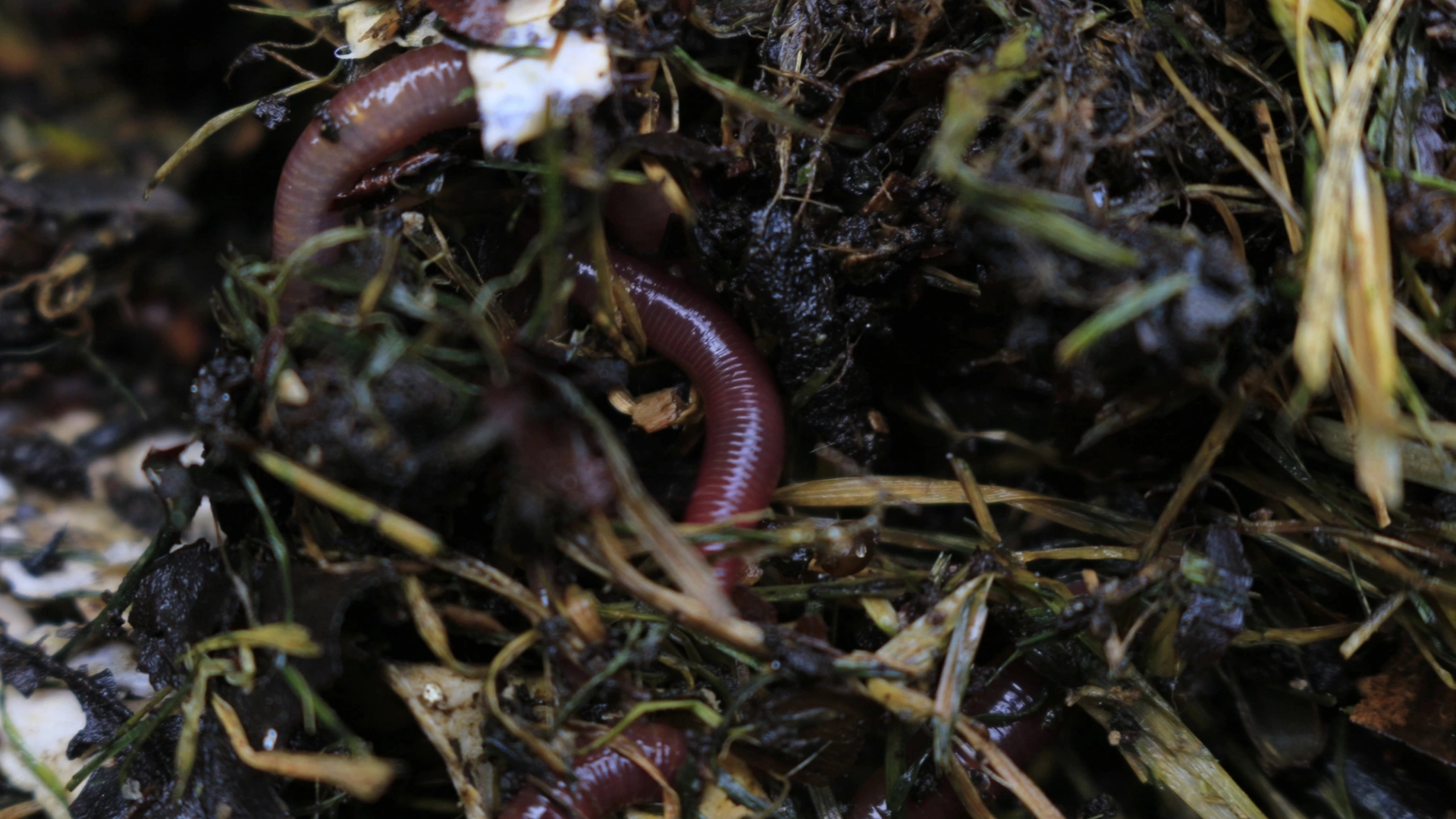
Why Earthworms Disappear From Cultivated Fields
Farmers often say they used to see earthworms everywhere. Today, many cultivated fields show none at all. The usual explanation points to pesticides, but that answer is incomplete. Earthworms disappear mainly when their habitat collapses, not when a single input is applied. At Terragaon Farms in Birbhum, West Bengal, earthworms returned only after soil conditions

What Kills Soil Microbes on Indian Farms (And What Doesn’t)
Many Indian farmers are told that soil microbes disappear because someone did something wrong. Too much fertilizer. Not enough organic input. Wrong method. This framing creates guilt but not clarity. At Terragaon Farms in Birbhum, West Bengal, we learned that soil microbes are not fragile by nature. They are resilient organisms that die only when