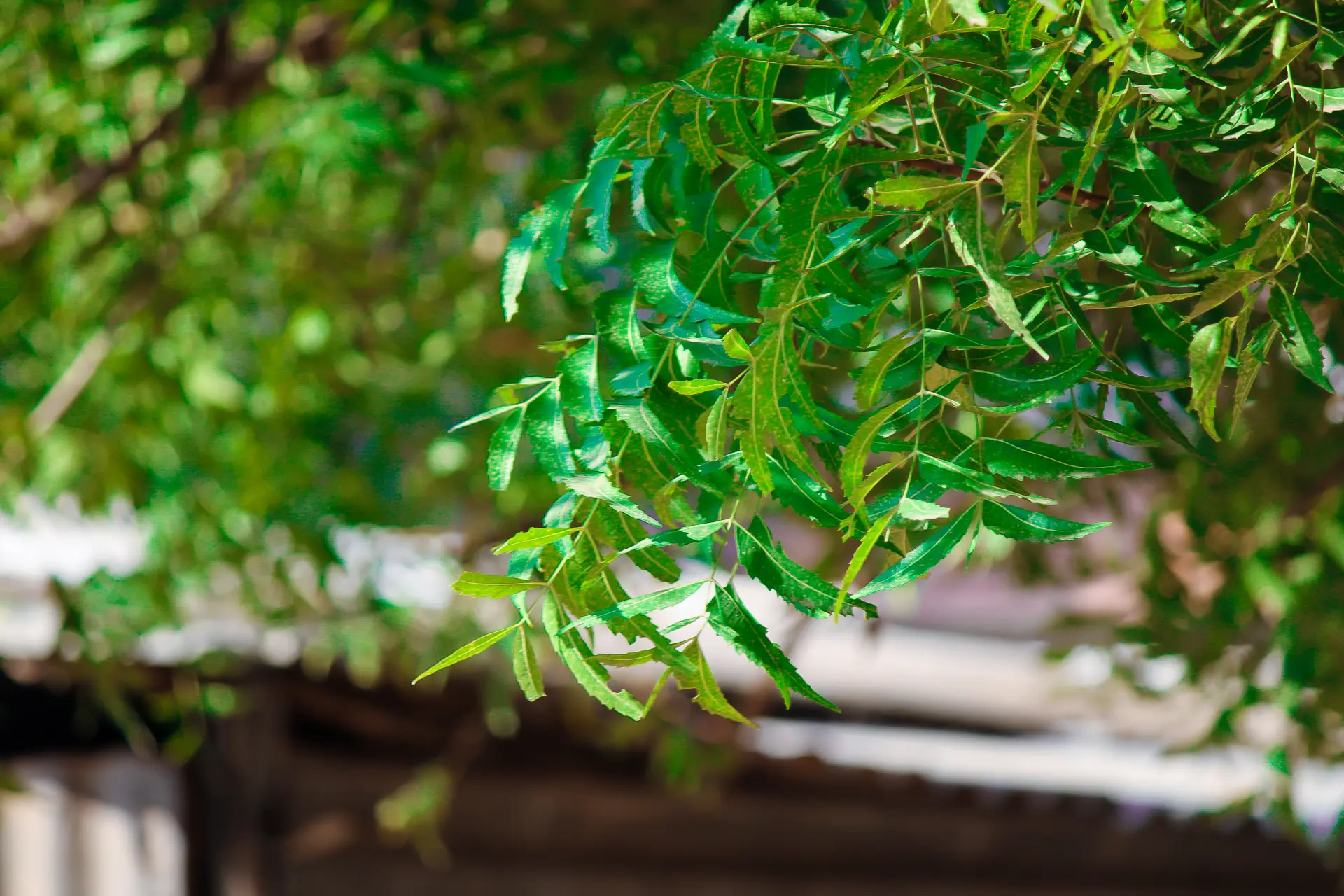
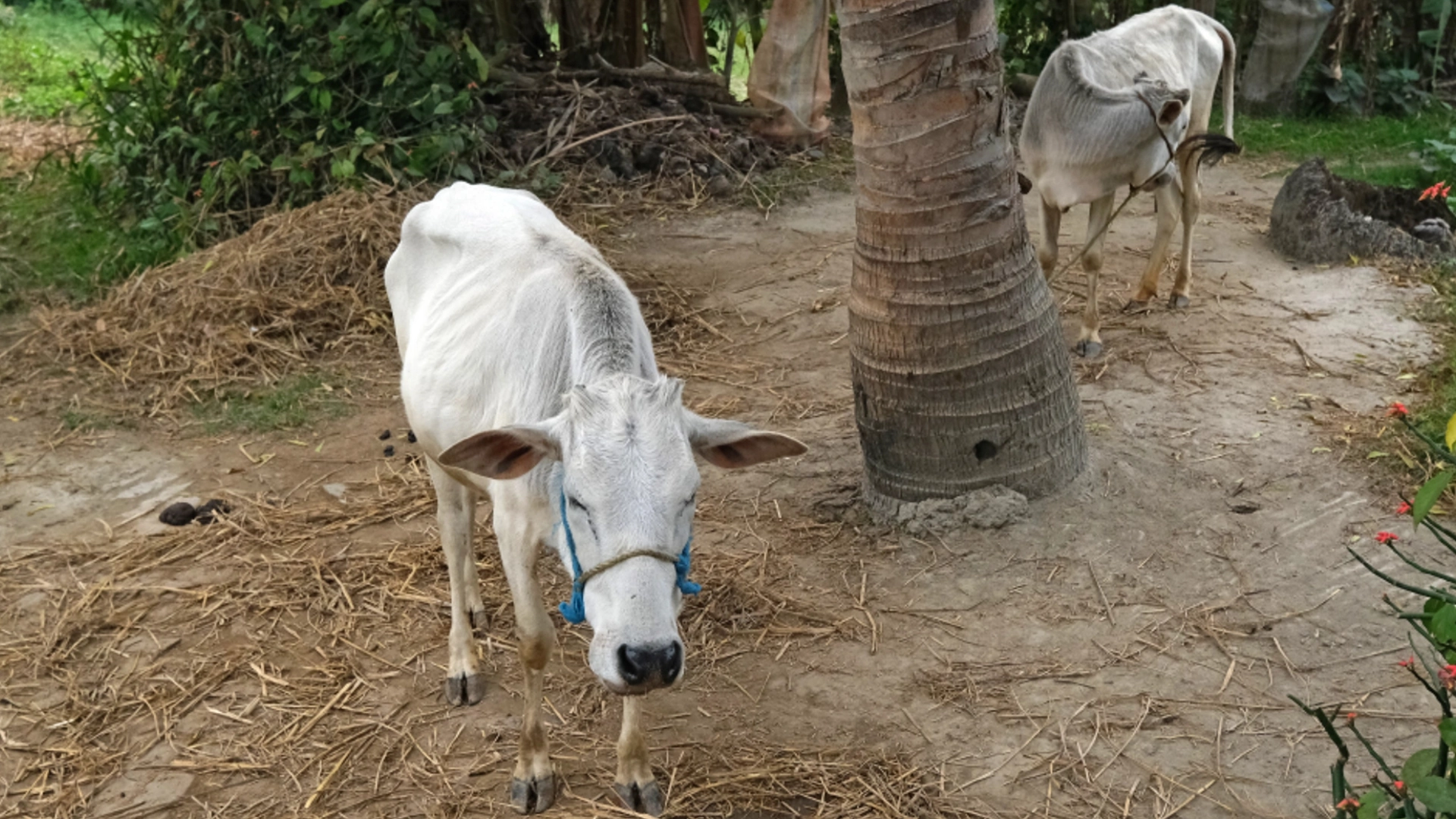
For many beginners in India, the first hesitation about natural farming appears around one question. What if I do not have cows.
This concern is understandable. Much of the conversation around natural farming highlights indigenous cow based inputs, and beginners often assume that without cows, natural farming is impossible.
At Terragaon Farms in Birbhum, West Bengal, we learned something important through practice. Cows strengthen natural farming systems, but they are not the only doorway into natural farming. Beginners without cows can still start, learn, and succeed if they focus on the underlying biology rather than specific inputs.
This article explains what beginners can realistically do in natural farming when cows are not part of the system yet.
Why cows are important but not mandatory
Indigenous cows contribute microbial diversity, organic matter, and nutrient cycling to natural farming systems. Their dung and urine act as biological catalysts that accelerate soil recovery.
However, these inputs work because they feed soil life, not because they are magic substances. Soil biology responds to moisture, organic matter, protection, and diversity. Cow based inputs support these processes, but they do not replace them.
For beginners without cows, the goal is not to replicate cow based inputs, but to create conditions where soil biology can rebuild naturally.
The biggest misconception beginners must avoid
The most common mistake beginners make is trying to replace cow inputs with purchased substitutes.
Buying commercial bio fertilisers, bottled microbial solutions, or expensive organic sprays often recreates dependency and raises costs. Many of these products provide inconsistent results under small farm conditions.
Natural farming without cows works best when beginners focus on practices rather than products.
Mulching becomes the foundation practice
If cows are absent, mulching becomes non negotiable.
Covering soil with dry leaves, crop residues, straw, or cut weeds protects soil from heat, conserves moisture, suppresses weeds, and feeds microorganisms slowly as material decomposes.
In lateritic and light soils, mulching often delivers visible improvement within one season. Soil stays cooler, moisture lasts longer, and root development improves.
For beginners, mulching is low cost, low risk, and immediately beneficial.
Composting as a soil feeding strategy
Without cows, compost becomes an important soil support tool.
Kitchen waste, crop residues, leaf litter, and farm waste can be composted locally. The objective is not high nutrient concentration but steady organic matter addition.
Simple compost systems work better than complex designs. Aeration, moisture balance, and time matter more than additives.
Compost supports microbial life gradually and improves soil structure, which is critical during the transition phase.
Crop diversity replaces input dependency
Without cows, crop diversity becomes a key stabilizer.
Mixed cropping, intercropping, and rotations reduce pest pressure and distribute nutrient demand. Legumes contribute nitrogen biologically. Deep rooted crops improve soil structure.
Diversity reduces the need for interventions because systems self regulate better.
Beginners who plant multiple crops learn faster because they observe interactions rather than isolated responses.
Reduced tillage protects fragile soil
Soil without regular organic inputs is vulnerable to disturbance.
Reducing tillage protects soil structure, preserves moisture, and allows microbial networks to rebuild. Even shallow disturbance can cause moisture loss in light soils.
Natural farming without cows benefits greatly from minimal soil disturbance combined with continuous organic cover.
Water management becomes critical
When cows are not present, water efficiency matters even more.
Mulched soil absorbs rainfall better and loses less moisture. Over time, irrigation frequency can reduce without stressing crops.
Beginners should prioritize soil moisture retention rather than frequent watering. Wet soil without oxygen harms roots and microbes.
Pest management through observation and balance
Without cow based sprays, pest management relies on system balance.
Healthy plants grown in biologically active soil tolerate pest pressure better. Crop diversity attracts predators that regulate insect populations.
When intervention is needed, simple botanical sprays can be used selectively. Routine spraying often worsens imbalance.
Observation is more important than reaction.
What beginners should not expect without cows
Natural farming without cows does not deliver instant nutrient boosts. Soil recovery may be slower in the first year. Composting and mulching take time to show full effect.
However, costs remain low and learning accelerates. Many beginners add cows later, once systems stabilize and confidence improves.
Starting without cows is not a failure. It is often a sensible first step.
When adding cows becomes beneficial
Once beginners understand soil behaviour, crop needs, and labour capacity, adding indigenous cows can strengthen the system.
Cows integrate naturally when fodder, housing, and labour planning are ready. Adding cows too early often creates stress rather than benefit.
Natural farming allows entry at different points. Cows are one pathway, not a prerequisite.
Final thoughts
Natural farming without cows is not incomplete farming. It is a phased approach.
For beginners, success comes from understanding soil biology, protecting soil, reducing dependency, and observing responses carefully.
At Terragaon Farms, we have seen that farmers who begin without cows often build stronger foundations. When cows are added later, they fit into a system that already works.
Natural farming is not about specific inputs. It is about restoring relationships between soil, plants, water, and people. That process can begin even without cows.

Krittika Das is a field practitioner and primary author at Terragaon Farms in Birbhum, West Bengal. Her writing is grounded in daily farm work, long-term soil observation, and small-land realities of eastern India. She focuses on natural farming, soil ecology, ethical dairy, and low-input systems, translating field experience into clear, practical knowledge for farmers and conscious food consumers.