Dairy & Livestock
Natural Dairy Farming in India: What Actually Makes It Sustainable
In India, dairy sustainability is often discussed as if it depends on one factor. A better breed. A higher yielding ration. A new supplement. On small farms, this thinking quietly fails. Sustainability does not come from pushing one part harder. It comes from reducing pressure across the whole system. At Terragaon Farms in Birbhum, West
When to Exit Dairy Farming and When to Fix the System
Every small dairy farmer reaches a point where the question becomes unavoidable. Losses repeat. Workdays stretch without rest. Animals need more attention, not less. Family members begin asking whether dairy is still worth continuing. At this stage, most farmers ask the wrong question. They ask whether dairy is failing. The more useful question is whether
Why Dairy Should Never Be a Standalone Business on Small Farms
Many small farmers are encouraged to treat dairy as an independent income source. Buy a few cows. Sell milk daily. Separate accounts. Separate planning. On paper, this looks organized. On real small farms, this separation quietly destroys balance. At Terragaon Farms in Birbhum, West Bengal, dairy became viable only after we stopped isolating it from
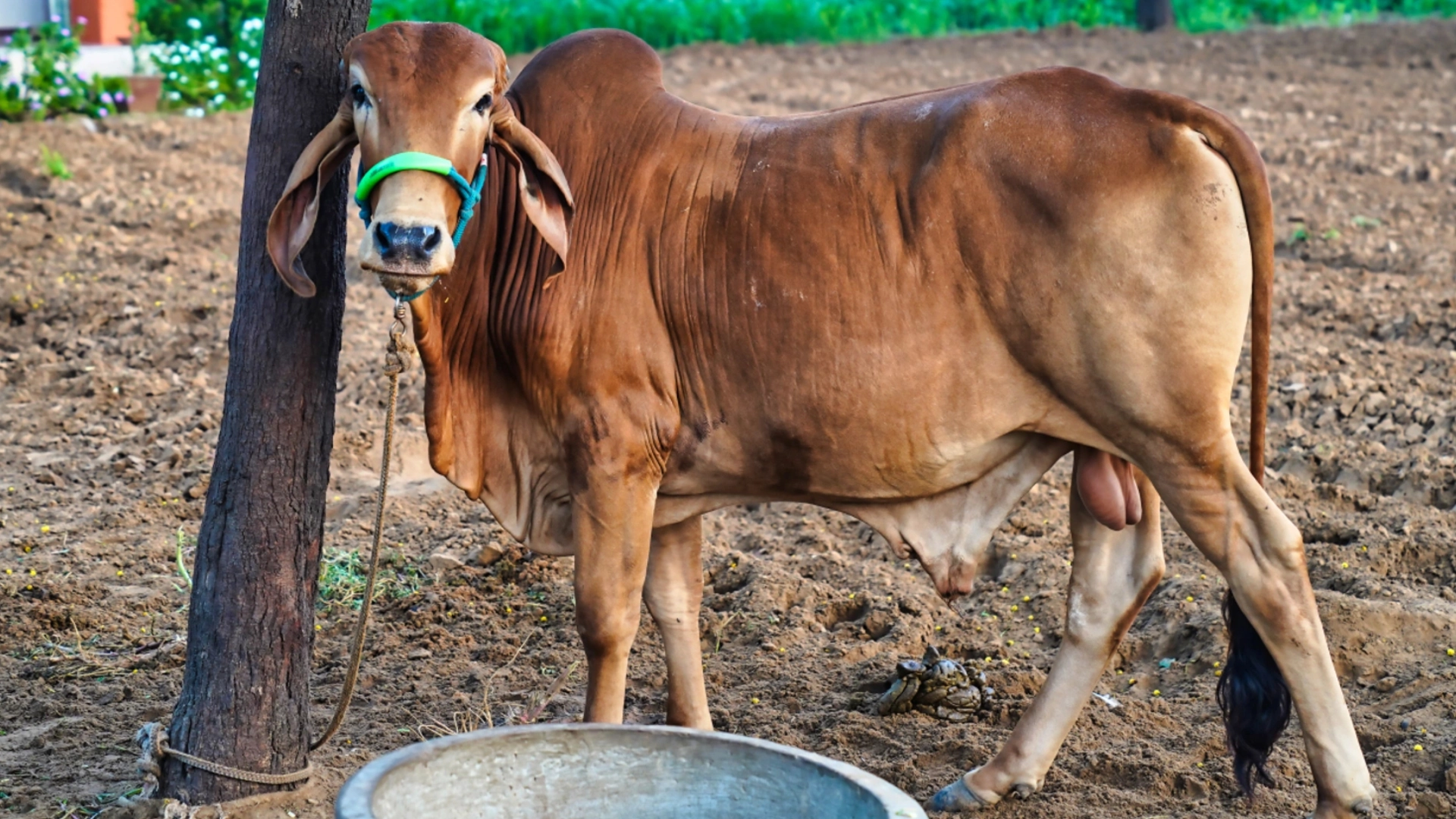
Why Dairy Fails on Small Farms Even With Good Milk Yield
Many small farmers are confused by the same outcome. Milk yield looks decent. Cows are producing every day. Yet at the end of the month, there is little money left. Sometimes there is loss. This creates frustration because effort is high and output seems visible. At Terragaon Farms in Birbhum, West Bengal, we saw this
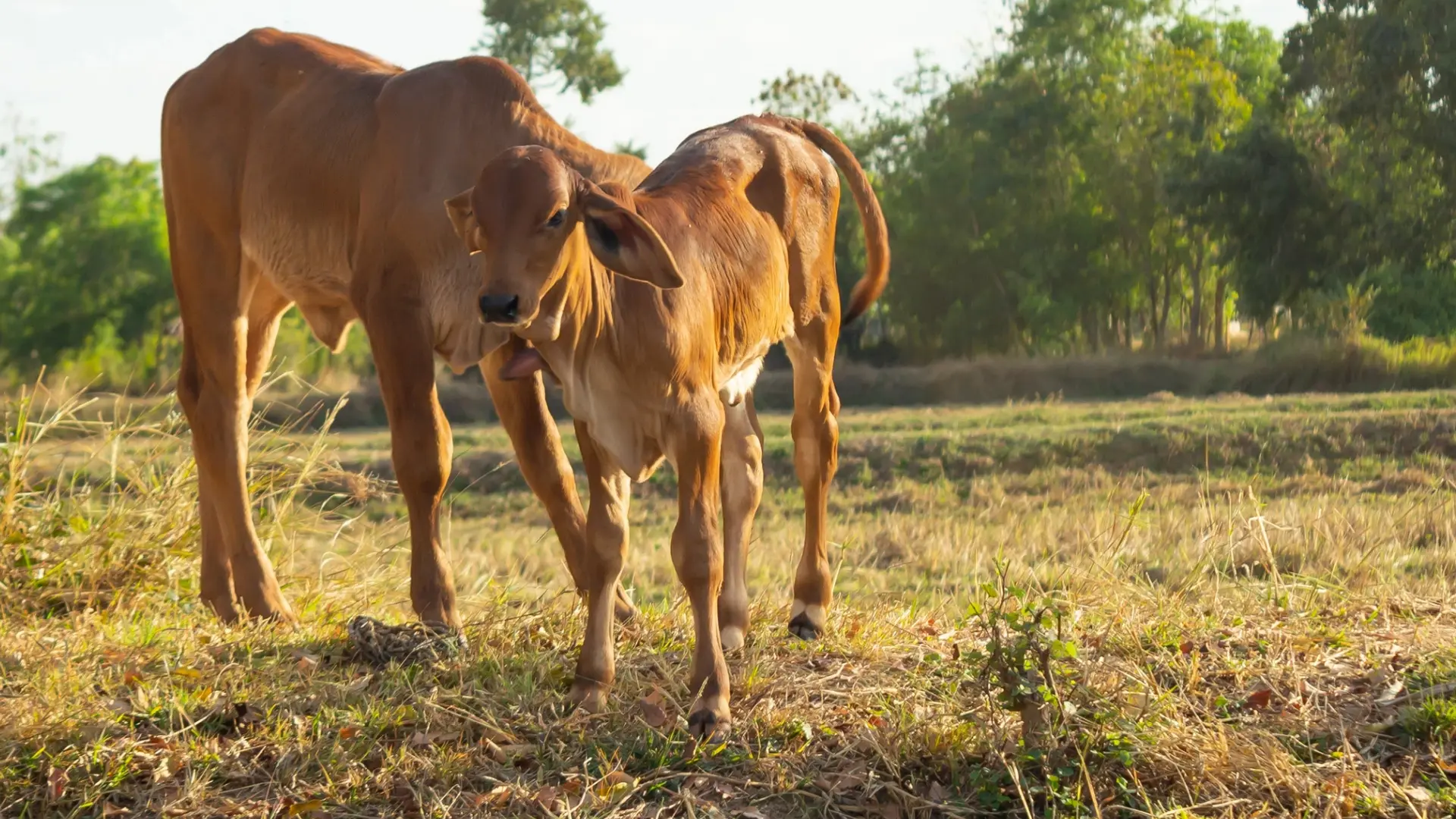
Natural Dairy Farming in India: A Small-Farm Reality Guide
Dairy farming in India is usually discussed in numbers. Liters per day. Fat percentage. Feed conversion. Breed comparison. On small farms, this way of thinking quietly breaks families, animals, and land. At Terragaon Farms in Birbhum, West Bengal, dairy became sustainable only when we stopped treating it as a milk-producing unit and started treating it