Krittika Das
Krittika Das is a field practitioner and primary author at Terragaon Farms in Birbhum, West Bengal. Her writing is grounded in daily farm work, long-term soil observation, and small-land realities of eastern India. She focuses on natural farming, soil ecology, ethical dairy, and low-input systems, translating field experience into clear, practical knowledge for farmers and conscious food consumers.
Why Jeevamrut Dies the Moment It Hits Dry Soil
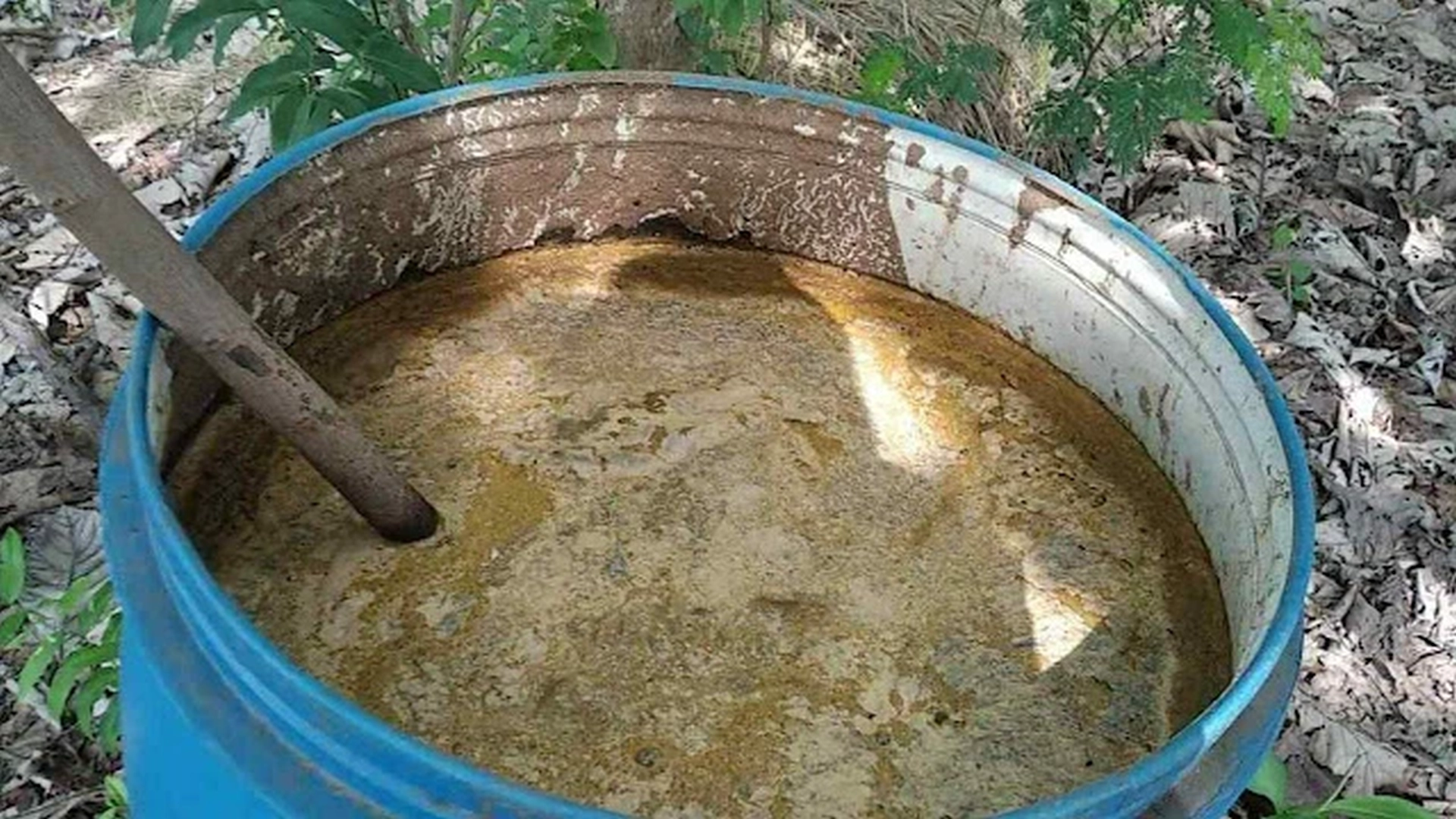
In the lateritic zones of Birbhum, applying liquid biofertilizers such as Jeevamrut to dry soil is biologically ineffective and economically wasteful. Soil microbes are moisture-dependent organisms. When soil moisture falls below roughly 10–12 percent, which is common from March to May, microbes introduced through Jeevamrut experience rapid desiccation and osmotic stress. Under surface temperatures of
Why Earthworms Disappear From Cultivated Fields
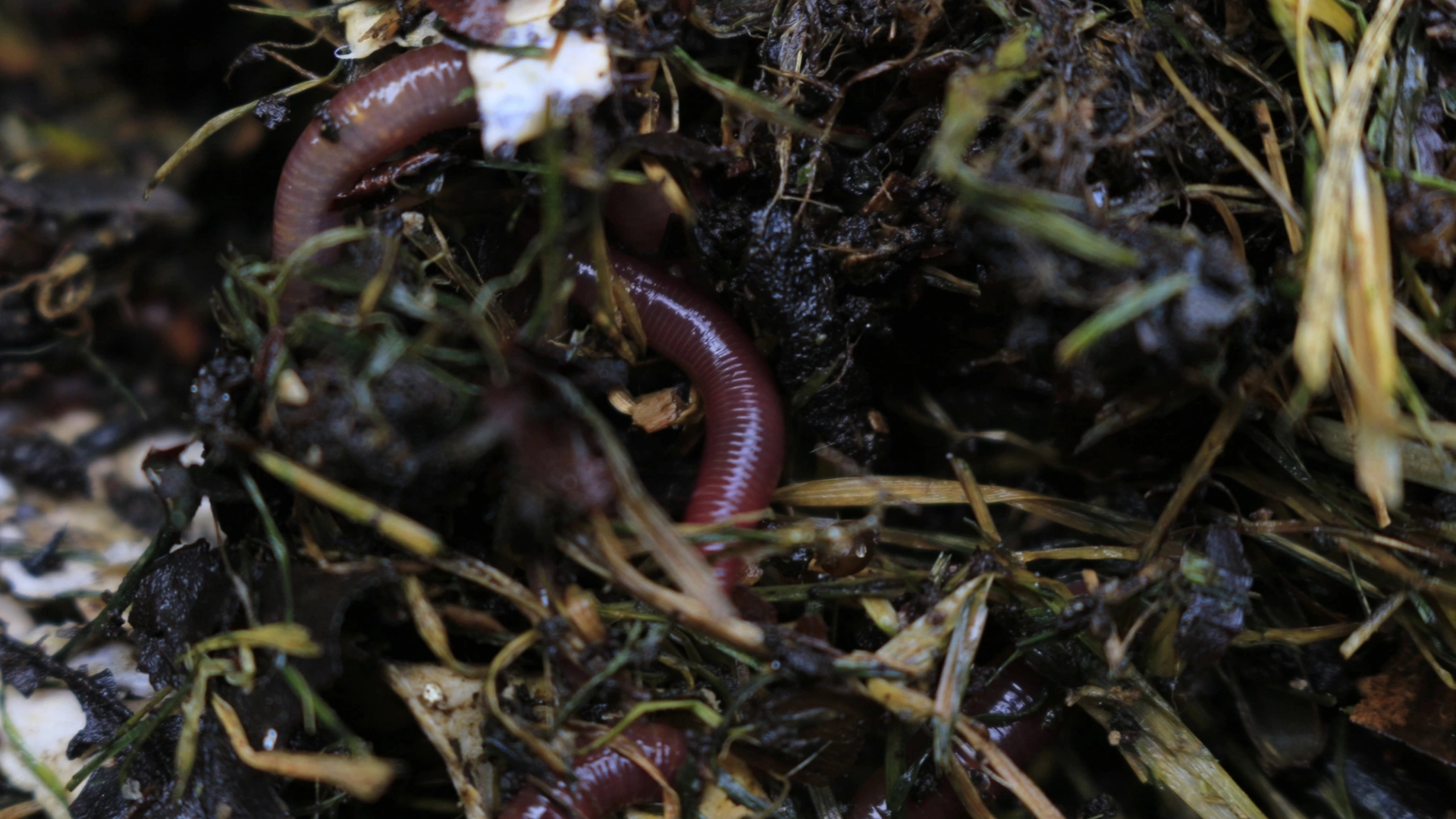
Farmers often say they used to see earthworms everywhere. Today, many cultivated fields show none at all. The usual explanation points to pesticides, but that answer is incomplete. Earthworms disappear mainly when their habitat collapses, not when a single input is applied. At Terragaon Farms in Birbhum, West Bengal, earthworms returned only after soil conditions

What Kills Soil Microbes on Indian Farms (And What Doesn’t)
Many Indian farmers are told that soil microbes disappear because someone did something wrong. Too much fertilizer. Not enough organic input. Wrong method. This framing creates guilt but not clarity. At Terragaon Farms in Birbhum, West Bengal, we learned that soil microbes are not fragile by nature. They are resilient organisms that die only when
How Long Mulch Takes to Actually Change Soil Structure
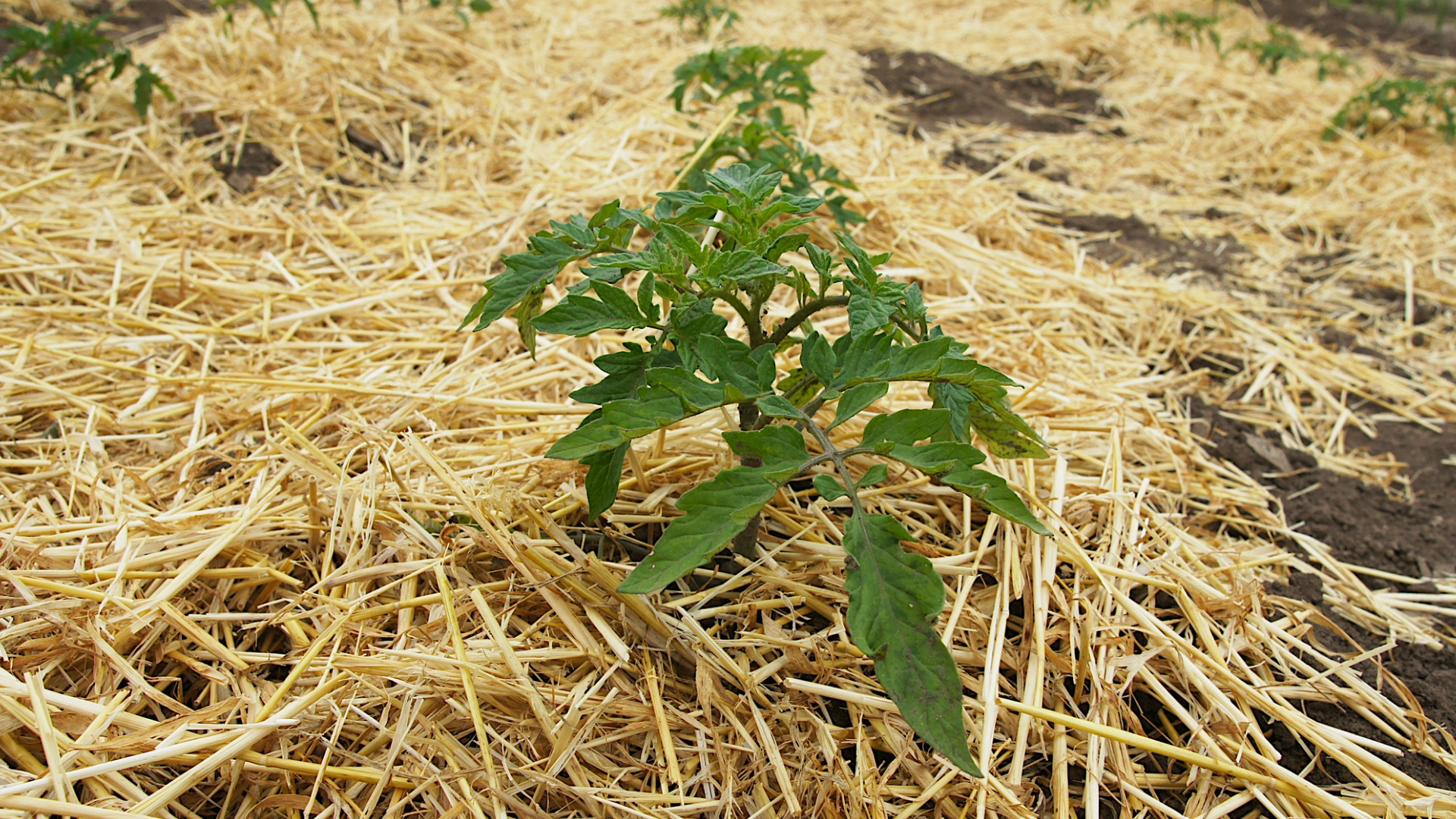
Many farmers apply mulch and then wait for dramatic results within days. When soil still looks the same after a week or two, doubt sets in. Mulching gets dismissed as slow or ineffective. In reality, mulch works on soil in stages, not instantly, and each stage shows up differently in the field. At Terragaon Farms
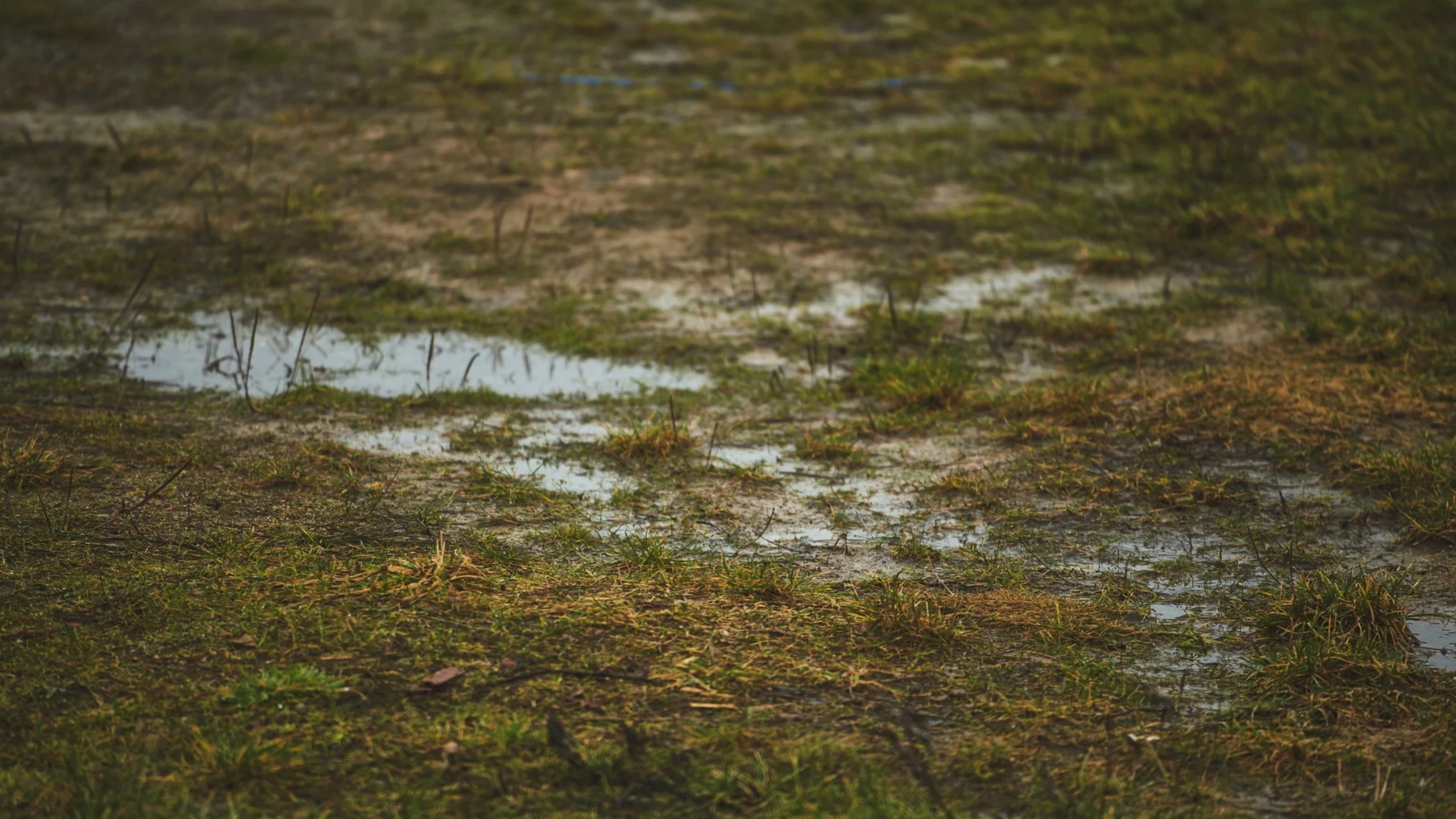
Why Soil Becomes Hard After Rain in Red and Lateritic Areas
Farmers across red and lateritic regions often describe the same frustration. The field looks moist after rain, but within a day or two the surface turns hard like brick. Roots struggle. Seedlings fail. Water runs off instead of soaking in. This problem appears repeatedly in parts of West Bengal, Jharkhand, Odisha, and similar landscapes. At
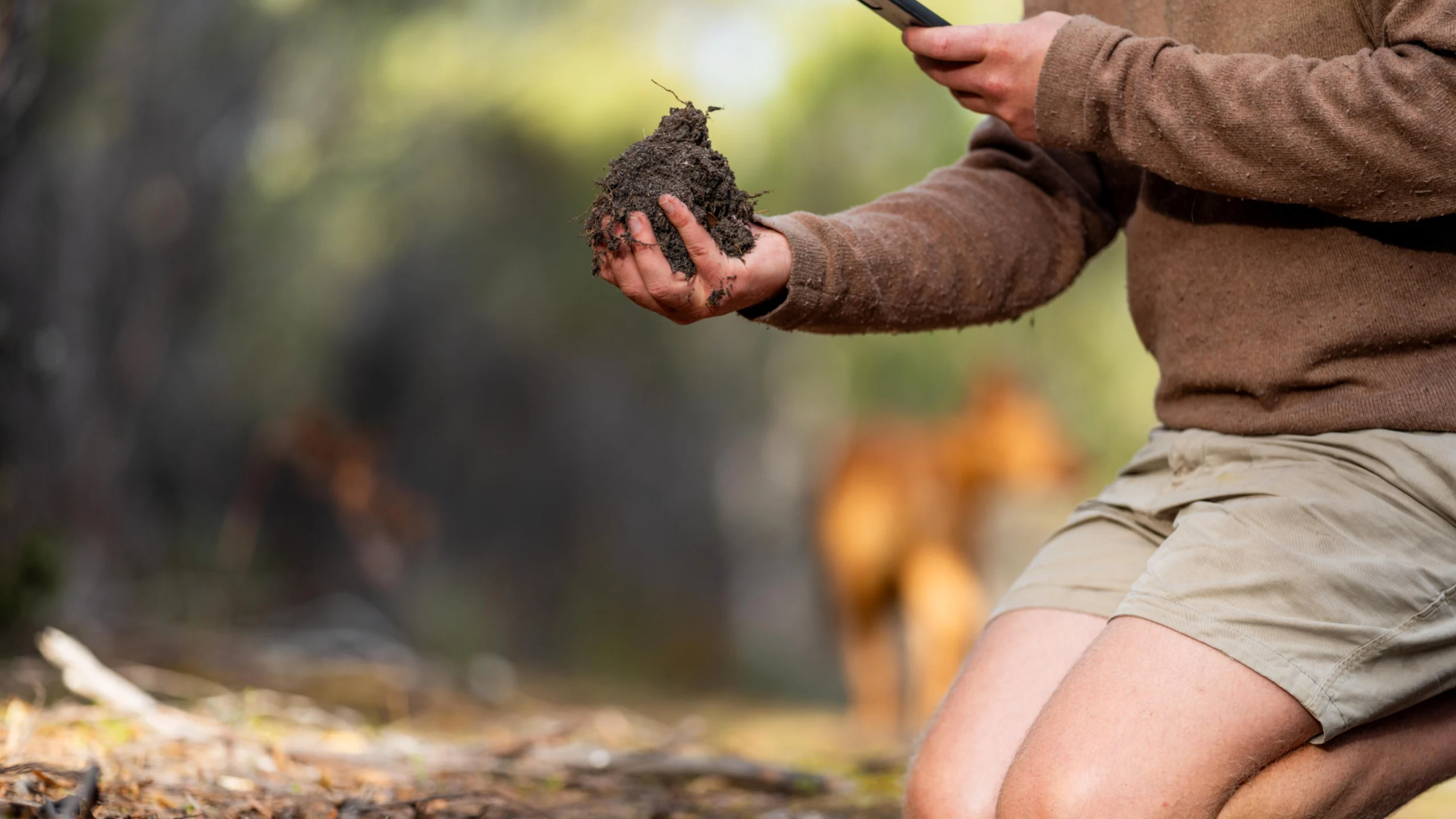
Soil Microbes Explained Without Scientific Jargon (Indian Context)
Most Indian farmers hear the word microbes today. It appears in fertilizer ads, natural farming talks, and soil health discussions. Yet for many, microbes remain invisible actors spoken about in complicated language. When things are not understood clearly, they are either ignored or blindly trusted. At Terragaon Farms in Birbhum, West Bengal, our understanding of
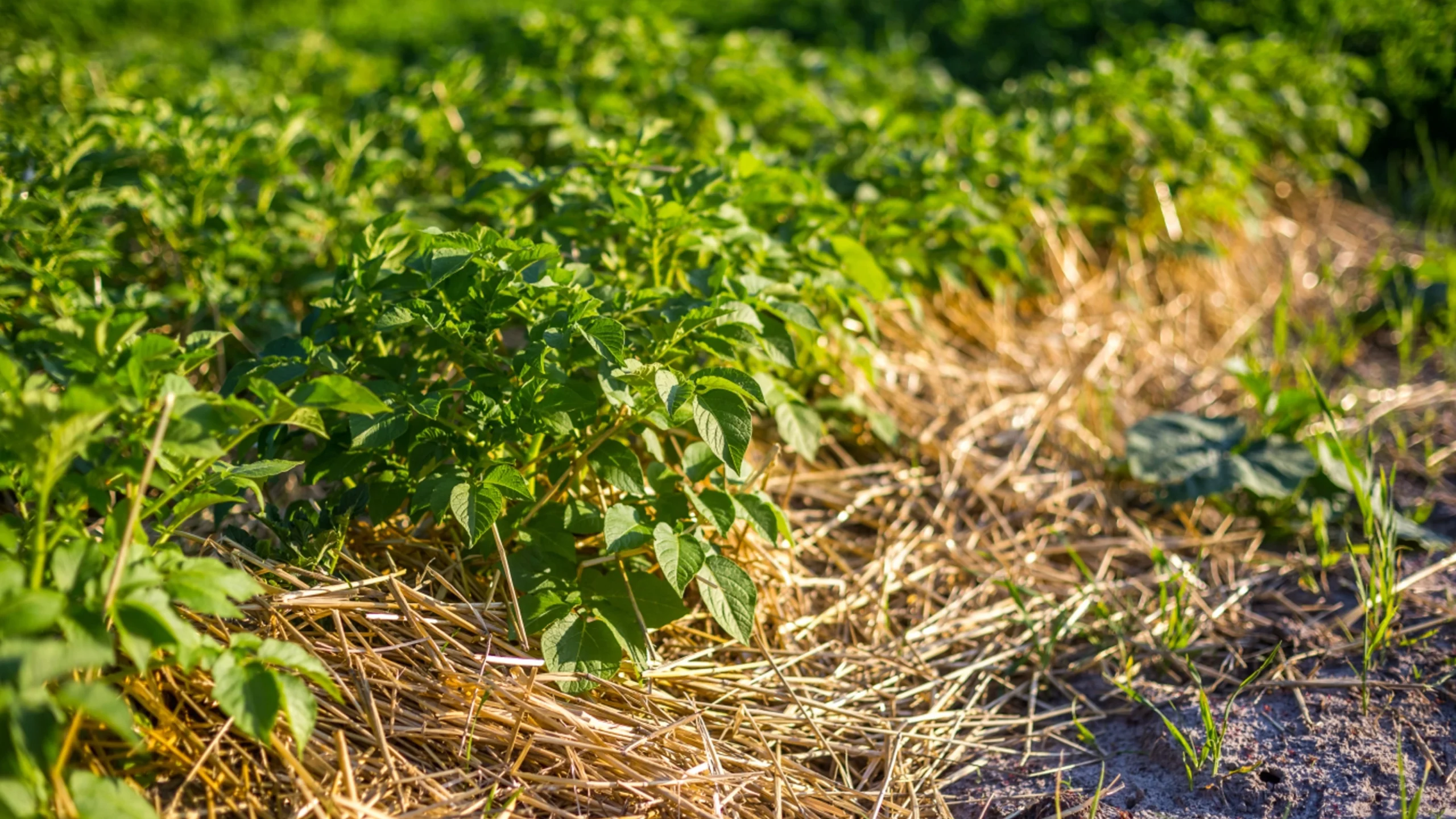
Mulching vs Compost: Which Improves Soil Faster on Small Farms
Small farmers often ask a very practical question. If time, labor, and money are limited, should effort go into mulching the field or making compost first. Both are promoted as essential for soil health, but they do not work in the same way or at the same speed. At Terragaon Farms in Birbhum, West Bengal,
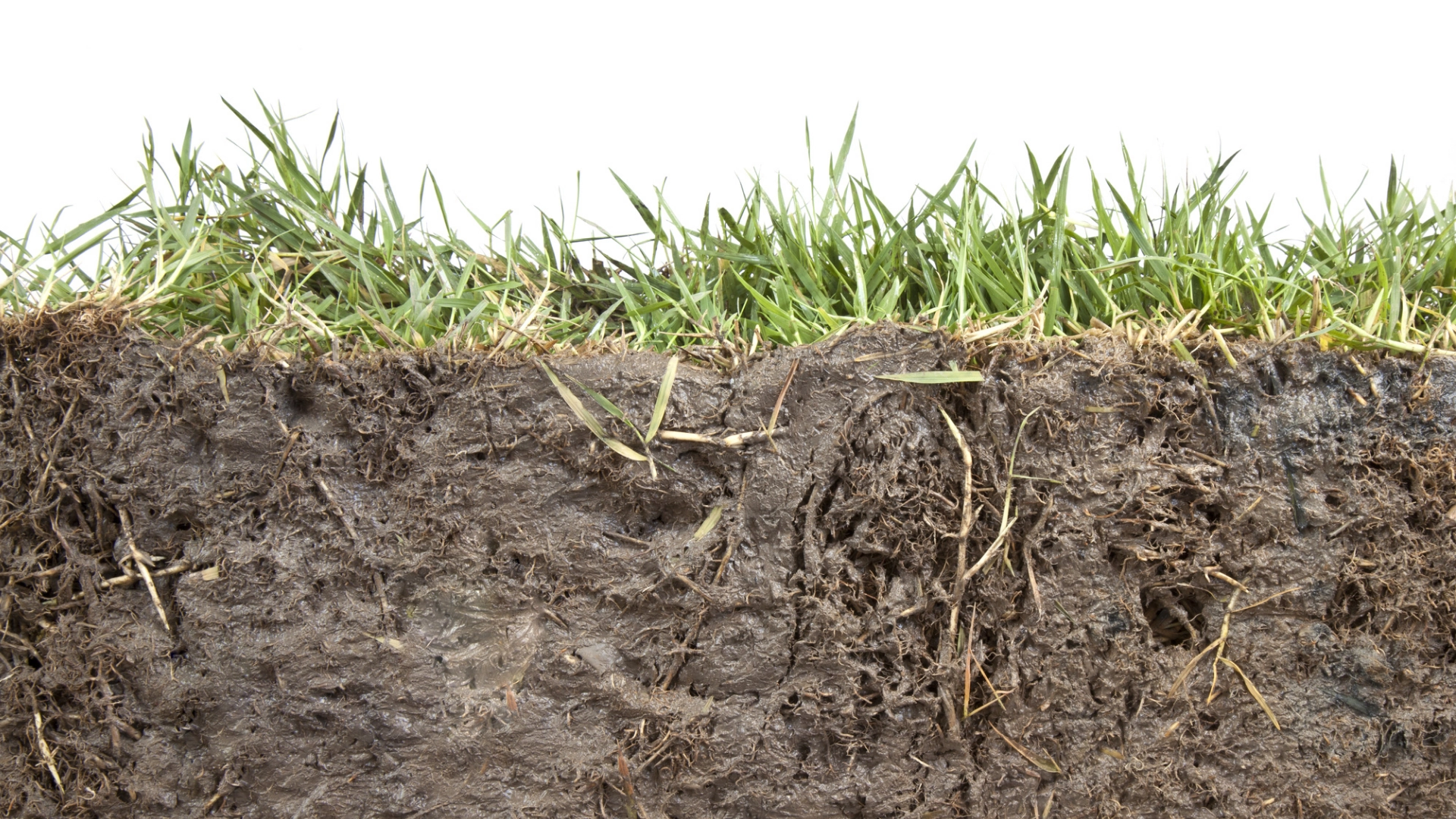
Why Indian Soils Are Losing Organic Matter Even With Fertilizer Use
Across India, farmers apply fertilizer every season and still watch their soil become harder, lighter, and less responsive. Yields stagnate. Water runs off faster. Crops show stress even when nutrients are applied on time. This pattern is now common across regions and cropping systems. At Terragaon Farms in Birbhum, West Bengal, we saw the same
How to Read Soil Health Without a Lab Test (For Indian Farmers)
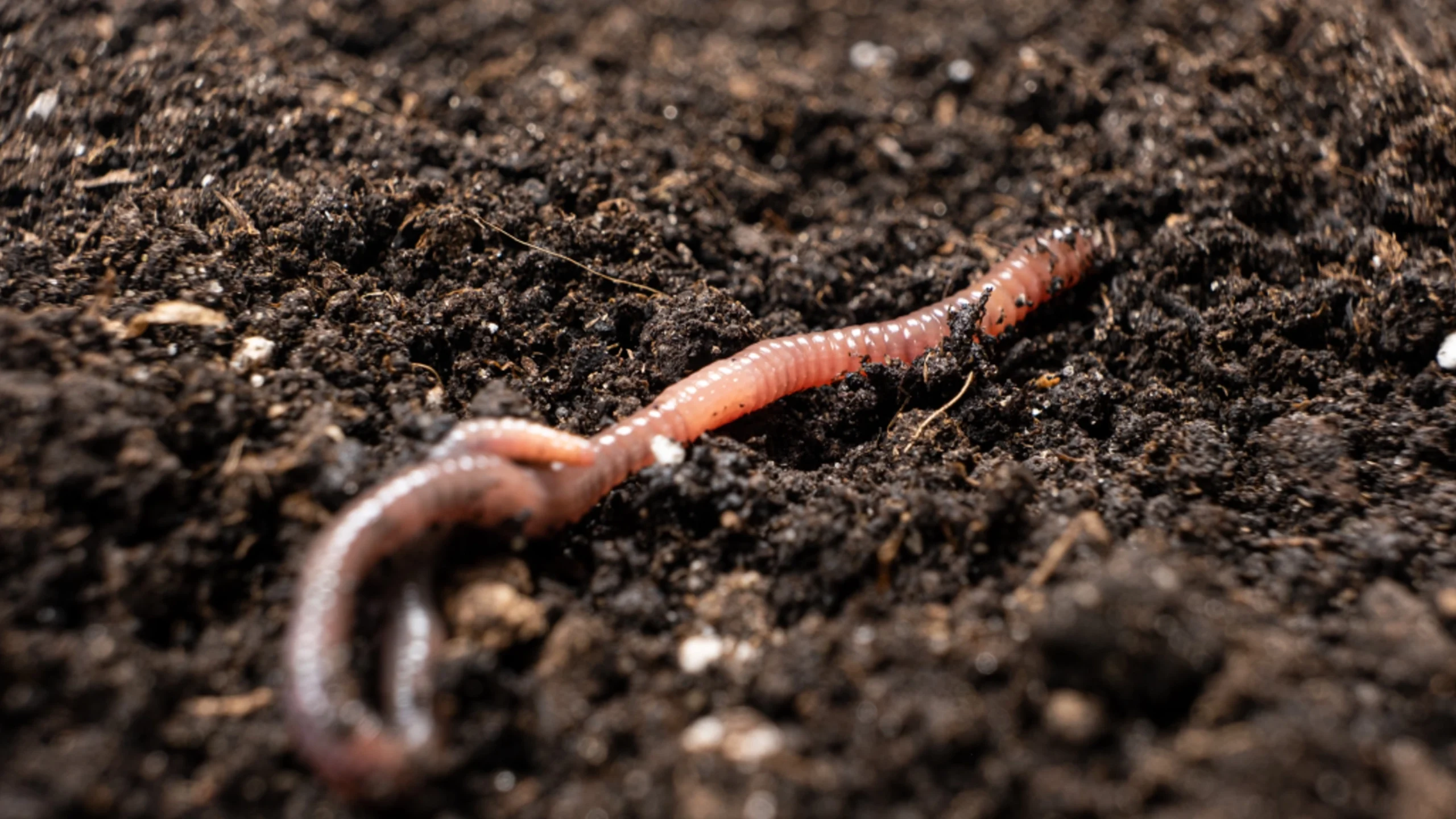
Most Indian farmers believe soil health can only be understood through a laboratory report. Numbers for nitrogen, phosphorus, potassium, pH. When those numbers look low, more fertilizer is added. When crops still struggle, confusion grows. On real farms, soil health is rarely first revealed on paper. It shows itself in the field, quietly, through texture,
Seasonal Planning in Natural Farming: Kharif and Rabi
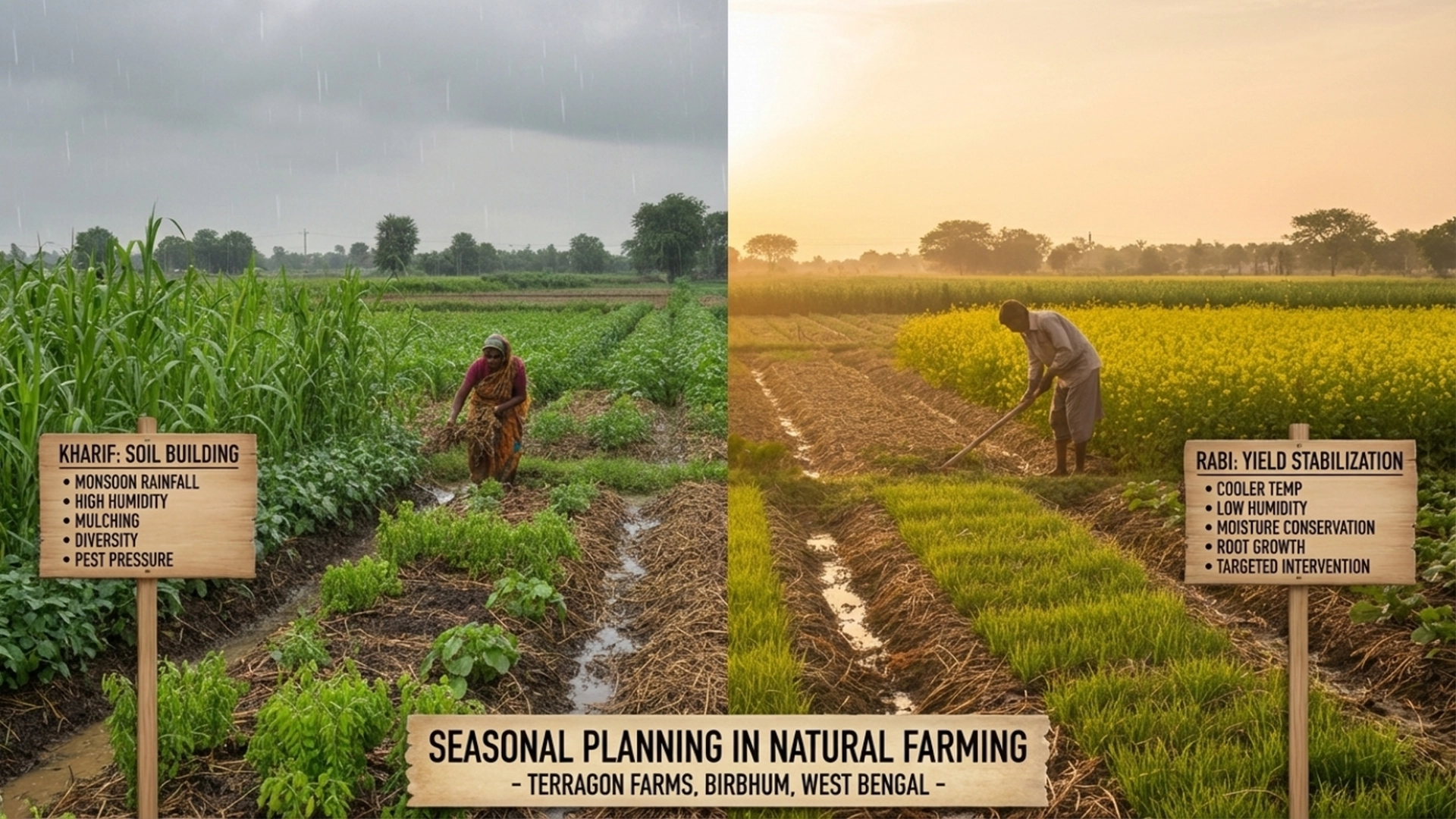
Many farmers treat Kharif and Rabi as fixed calendars. Inputs change, crops change, but planning remains reactive. In natural farming, seasons are not just time periods. They are biological phases that determine soil recovery, moisture balance, pest behavior, and labor pressure. At Terragaon Farms in Birbhum, West Bengal, natural farming began to work only when