
Krittika Das
Krittika Das is a field practitioner and primary author at Terragaon Farms in Birbhum, West Bengal. Her writing is grounded in daily farm work, long-term soil observation, and small-land realities of eastern India. She focuses on natural farming, soil ecology, ethical dairy, and low-input systems, translating field experience into clear, practical knowledge for farmers and conscious food consumers.
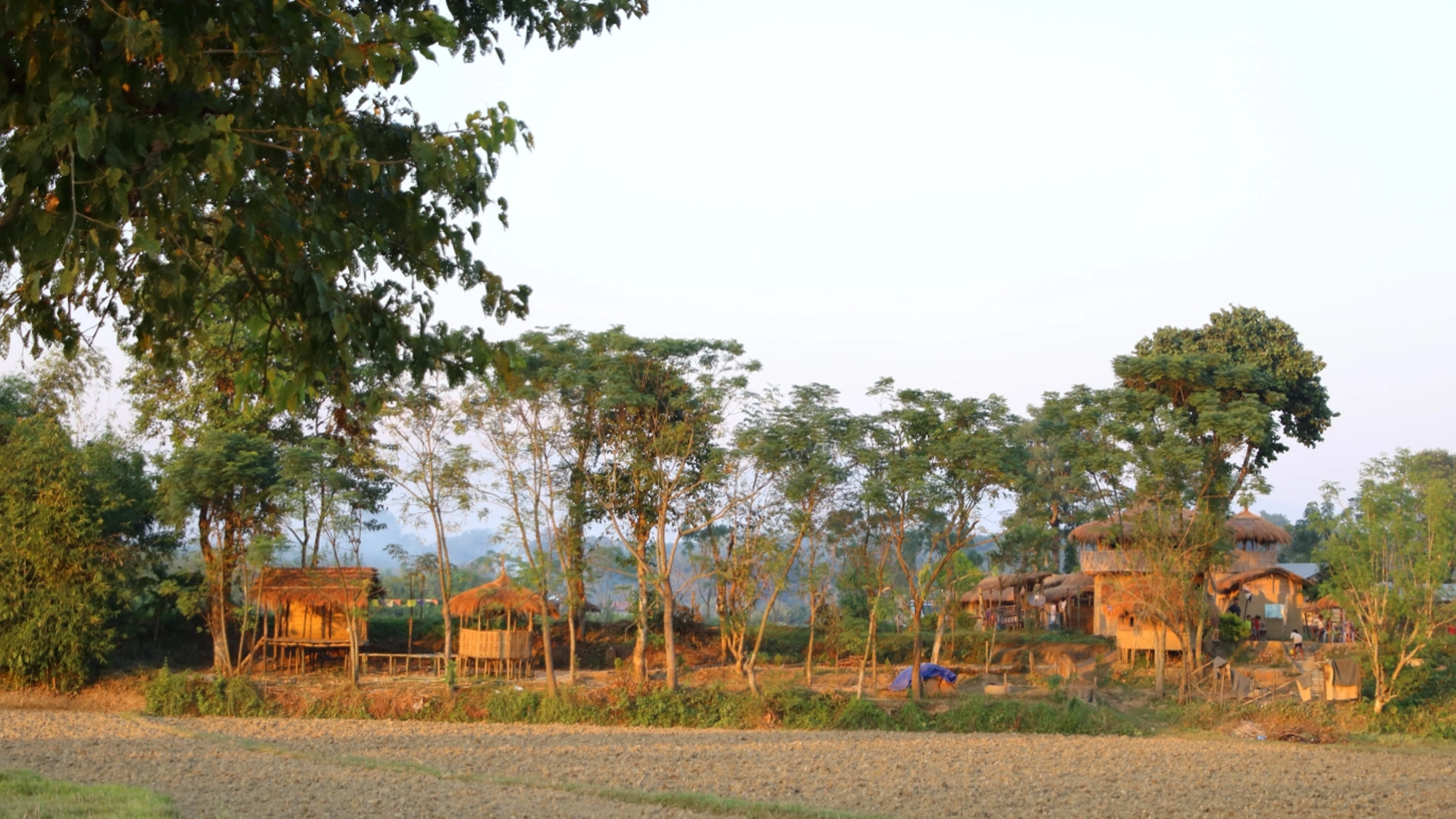
Learning Natural Farming in Indian Conditions: A Reality Guide
Natural farming ideas travel fast today. Videos, books, and success stories cross borders easily. What travels less easily are conditions. Climate, labor availability, land size, markets, and daily pressures differ sharply from place to place. This is why learning natural farming in Indian conditions needs a different grounding than learning it from foreign models. At
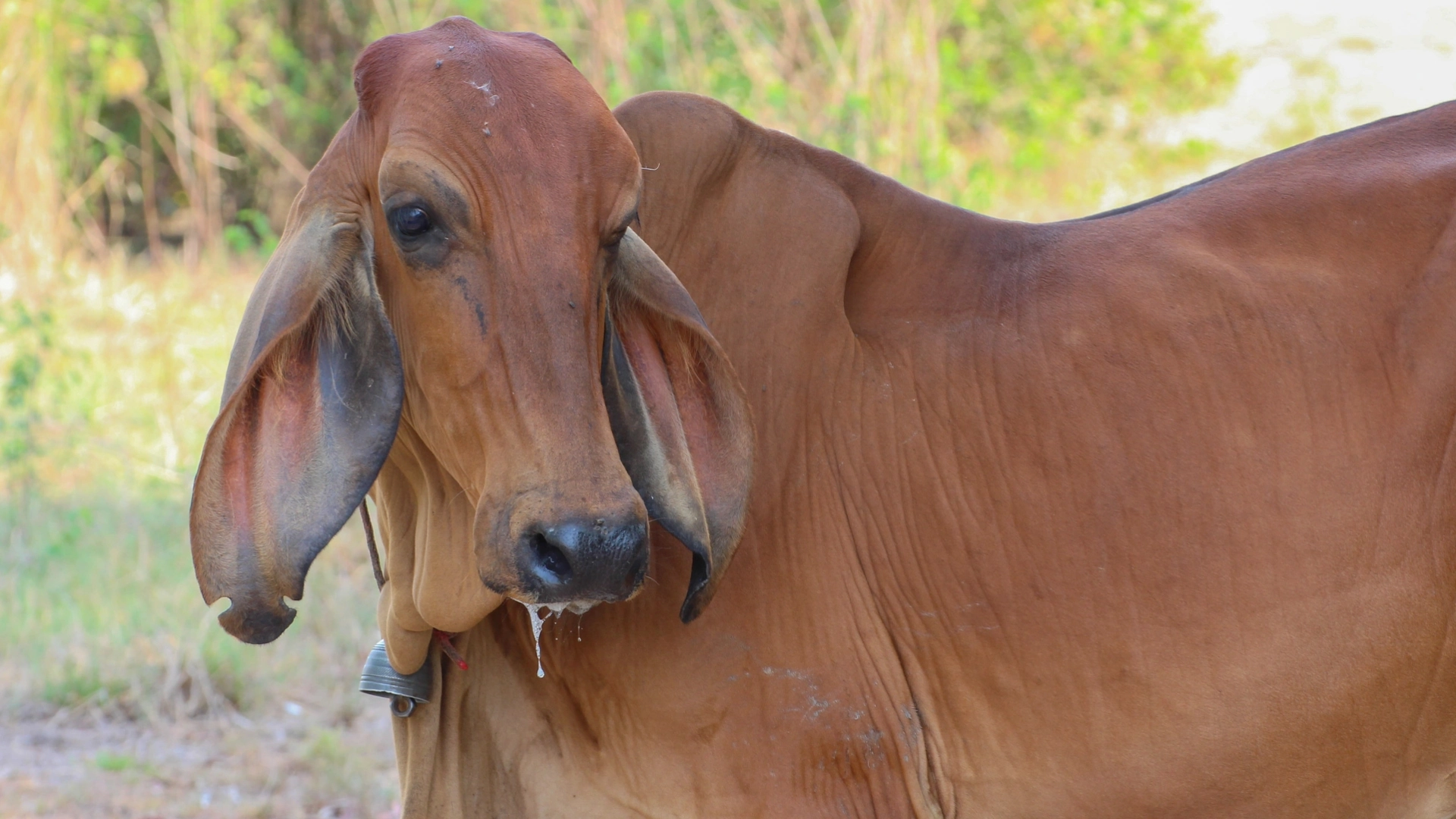
Learning Dairy and Livestock the Ethical Way
Many people approach dairy and livestock learning with excitement. Animals feel tangible. Milk feels productive. Results seem visible. What often comes later is the realization that livestock learning is slower, heavier with responsibility, and far less forgiving than crop learning. At Terragaon Farms in Birbhum, West Bengal, we learned this the hard way. Livestock did
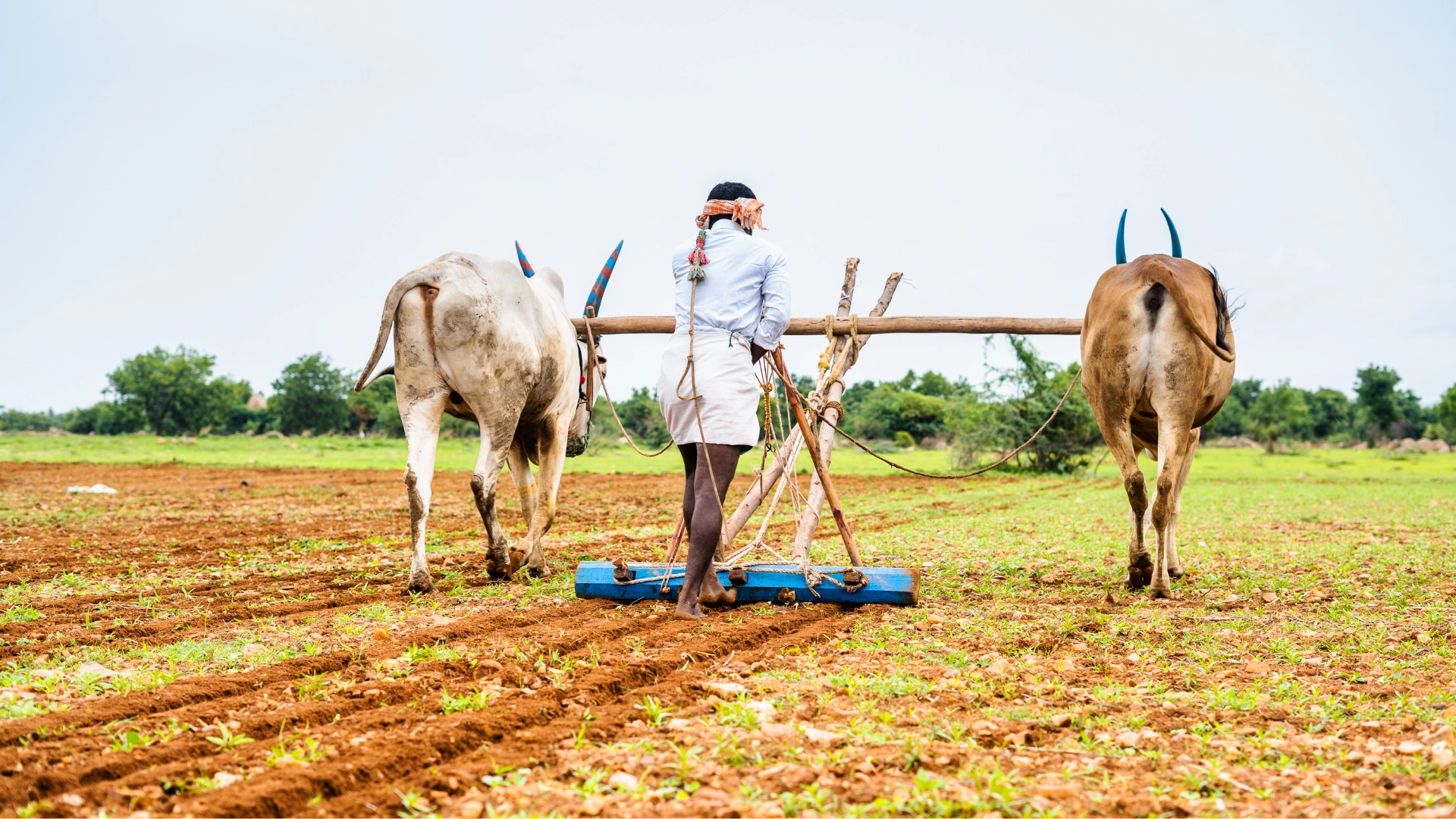
Learning Through Practice: Why Small Experiments Matter
Reading builds understanding. Practice builds judgement. In natural farming, the gap between the two is where most beginners struggle. They know what should work, but they do not yet know how their own land responds. Small experiments are the safest and fastest way to close that gap. At Terragaon Farms in Birbhum, West Bengal, almost
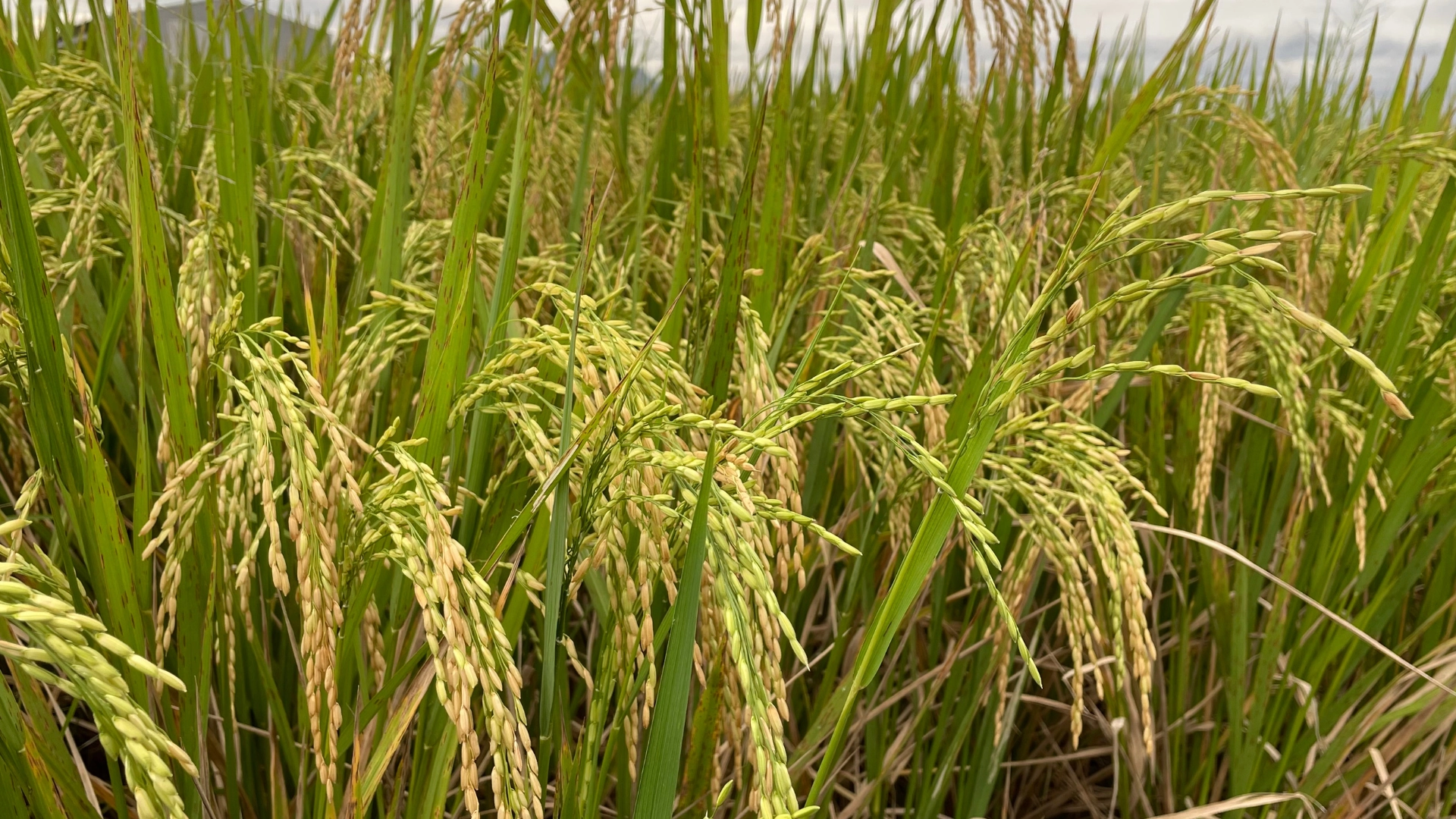
What You Actually Learn During a Farm Visit or Workshop
Many people arrive at a farm visit expecting instruction. They imagine schedules, step by step demonstrations, and clear answers to every question. What surprises most first time visitors is that the most important learning does not arrive as lessons. It arrives as observation. At Terragaon Farms in Birbhum, West Bengal, we have hosted learners with
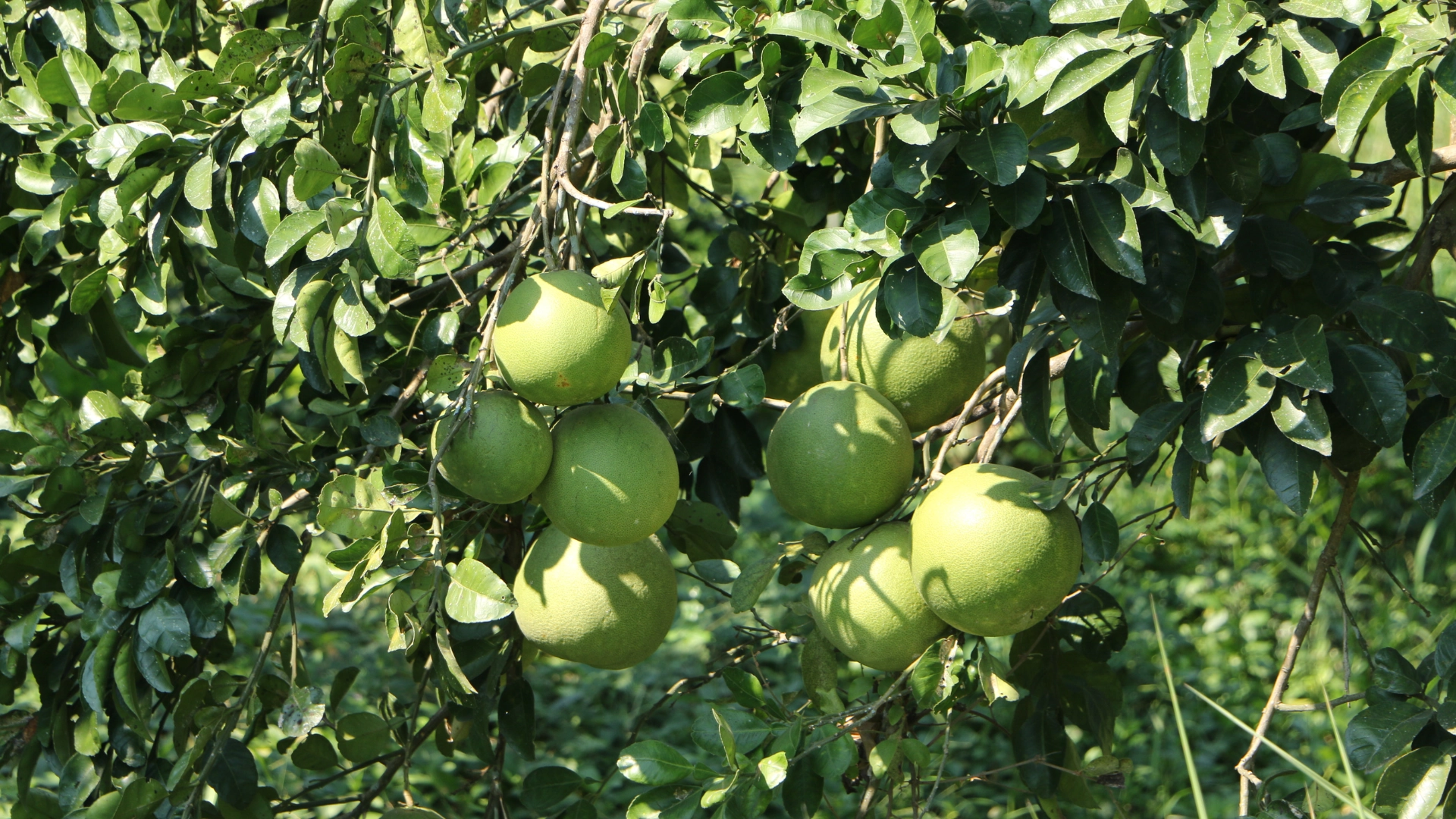
Learning Natural Farming on Small Land: What to Focus On First
Small land does not forgive confusion. Every mistake shows up quickly in cost, labor pressure, or crop stress. This is why learning natural farming on small land requires different priorities than learning it on larger farms. The order in which you learn skills matters as much as the skills themselves. At Terragaon Farms in Birbhum,
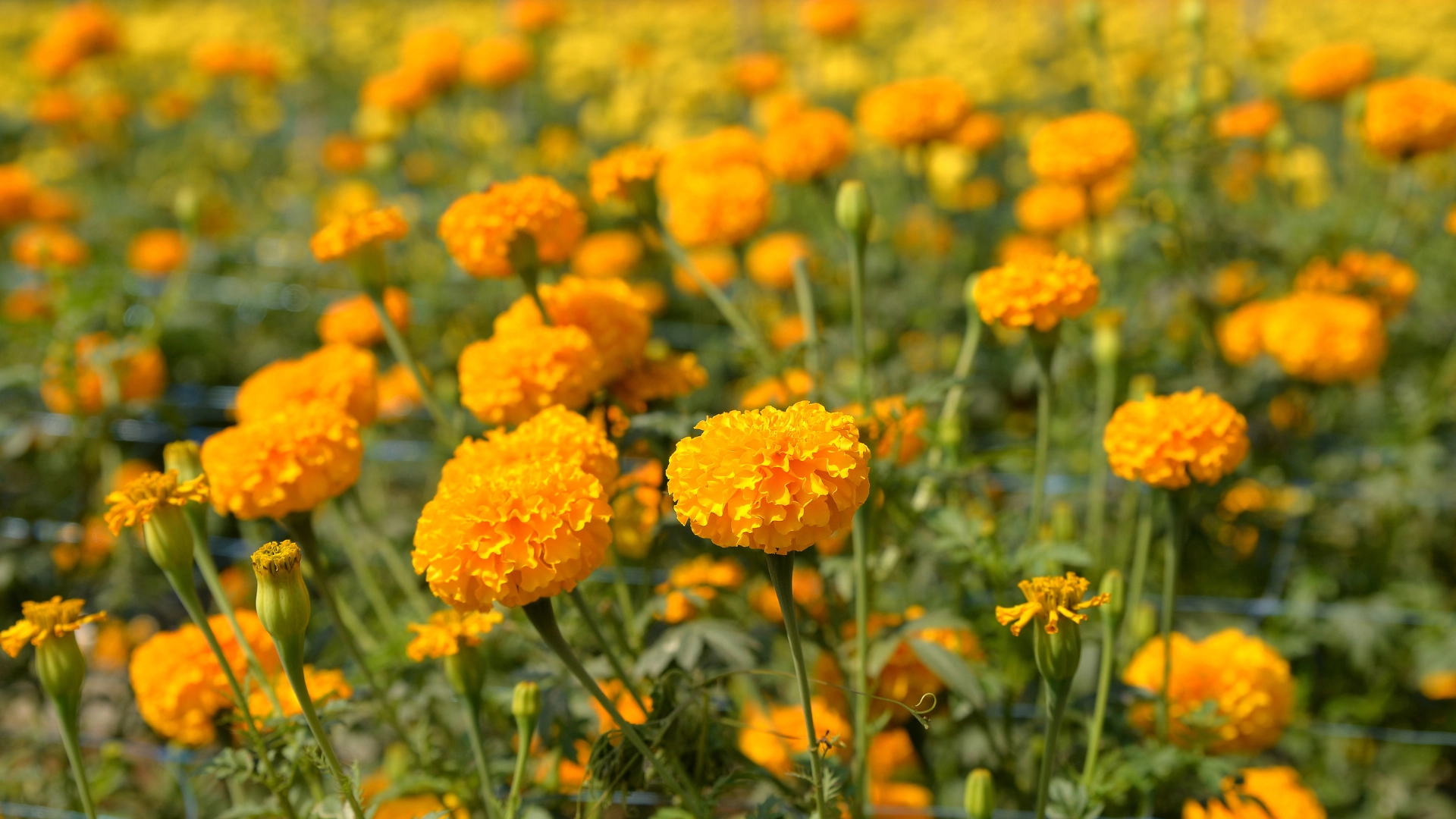
Are You Ready to Start Natural Farming? A Self-Assessment Guide
Interest in natural farming often begins with a feeling. Discomfort with chemicals. Curiosity about soil. A desire to grow cleaner food. These are good reasons to explore. But interest alone does not equal readiness. Natural farming asks more from the farmer than most people realize, especially in the first few seasons. At Terragaon Farms in
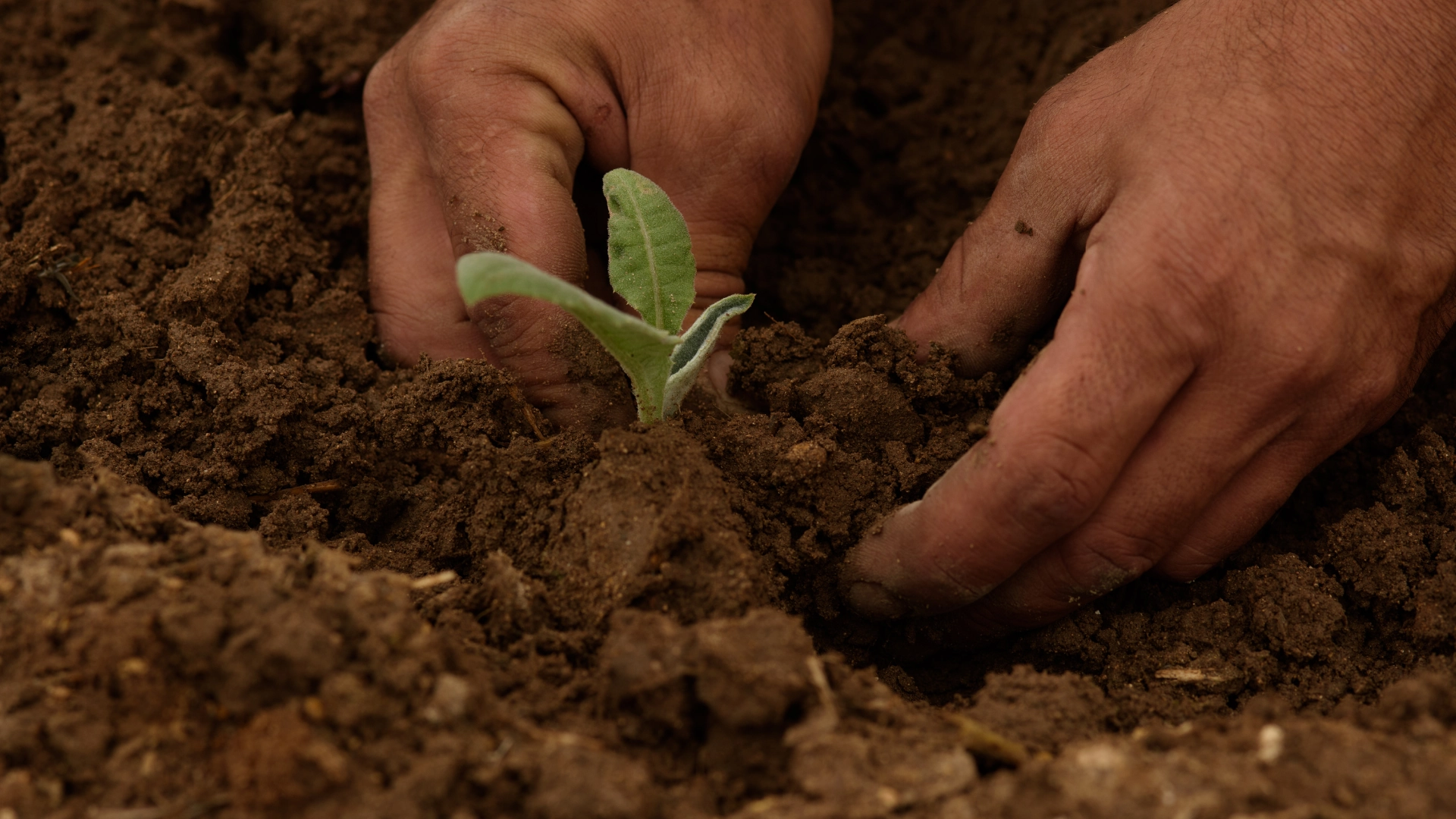
How to Learn Natural Farming the Right Way (Not Through Shortcuts)
Many people come to natural farming with urgency. They want to leave chemicals. They want clean food. They want fast results. This urgency is understandable, but it often becomes the first mistake. Natural farming is not difficult because it is complex. It is difficult because it refuses shortcuts. At Terragaon Farms in Birbhum, West Bengal,

Why Input Costs Rise Faster Than Farm Income in India
(A Farm Economics Reality, Not a Farmer Failure) On most Indian farms, the financial problem does not arrive suddenly. It creeps in quietly. One season, fertilizer costs a little more. The next year, feed prices rise. Diesel becomes expensive. Labor availability shrinks. Income may increase on paper, but expenses move faster, harder, and without warning.
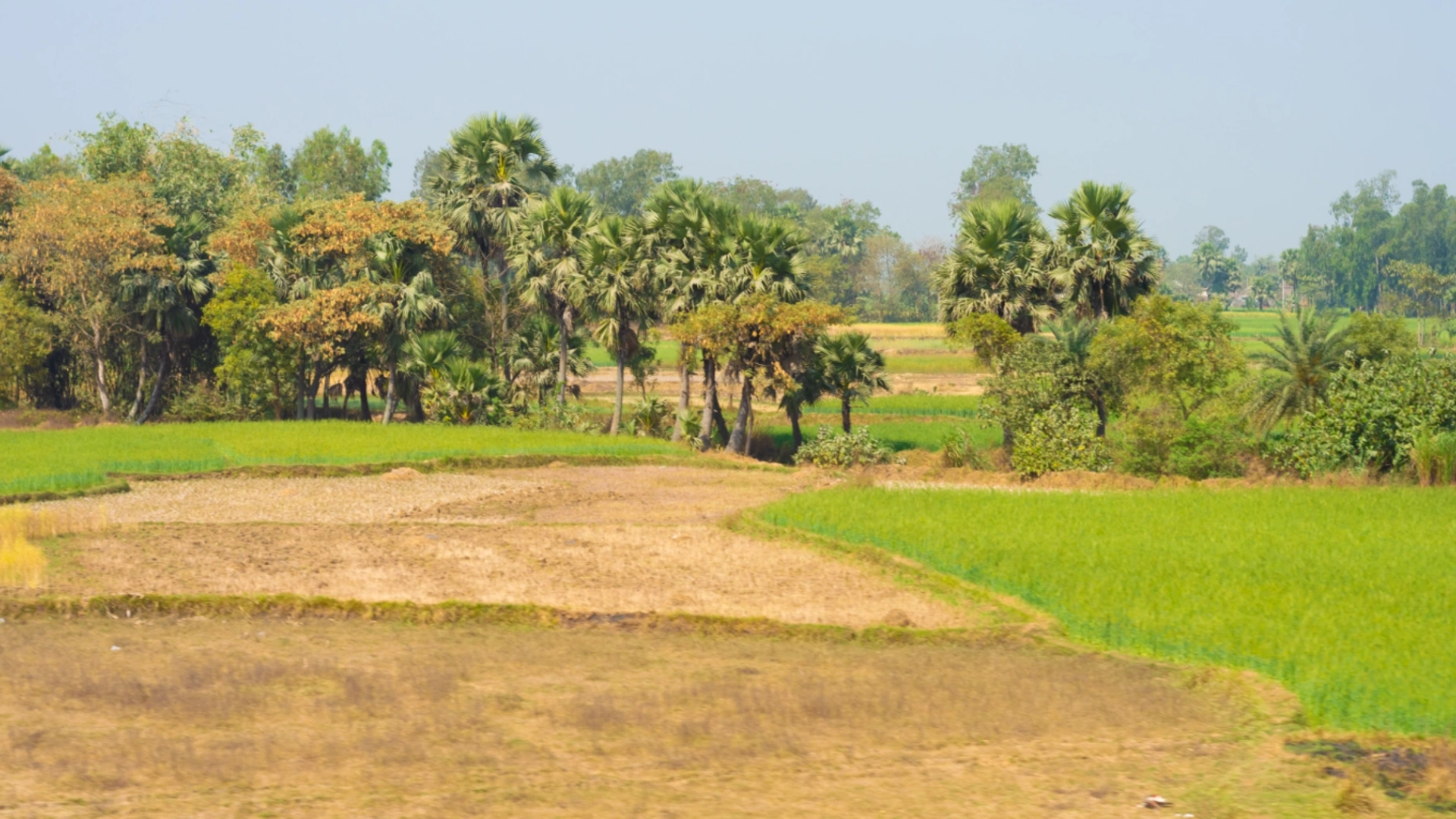
What Makes a Farm Economically Sustainable Over 10 Years
Most farms do not fail in one bad season. They fail slowly. Year after year, small stresses accumulate until one shock finally breaks the system. When we talk about economic sustainability on farms, especially small farms in India, the real question is not how to earn more this year, but how to continue farming ten
Why Cost Reduction Matters More Than Yield Increase on Small Farms
On small farms in India, advice often follows a familiar pattern. Increase yield. Push production. Improve output per acre or per animal. This advice sounds logical, but it quietly creates pressure that many small farms cannot sustain. Over time, higher yield does not translate into better income. It often does the opposite. At Terragaon Farms