Krittika Das
Krittika Das is a field practitioner and primary author at Terragaon Farms in Birbhum, West Bengal. Her writing is grounded in daily farm work, long-term soil observation, and small-land realities of eastern India. She focuses on natural farming, soil ecology, ethical dairy, and low-input systems, translating field experience into clear, practical knowledge for farmers and conscious food consumers.
Daily Routine of a Small Natural Dairy Farm
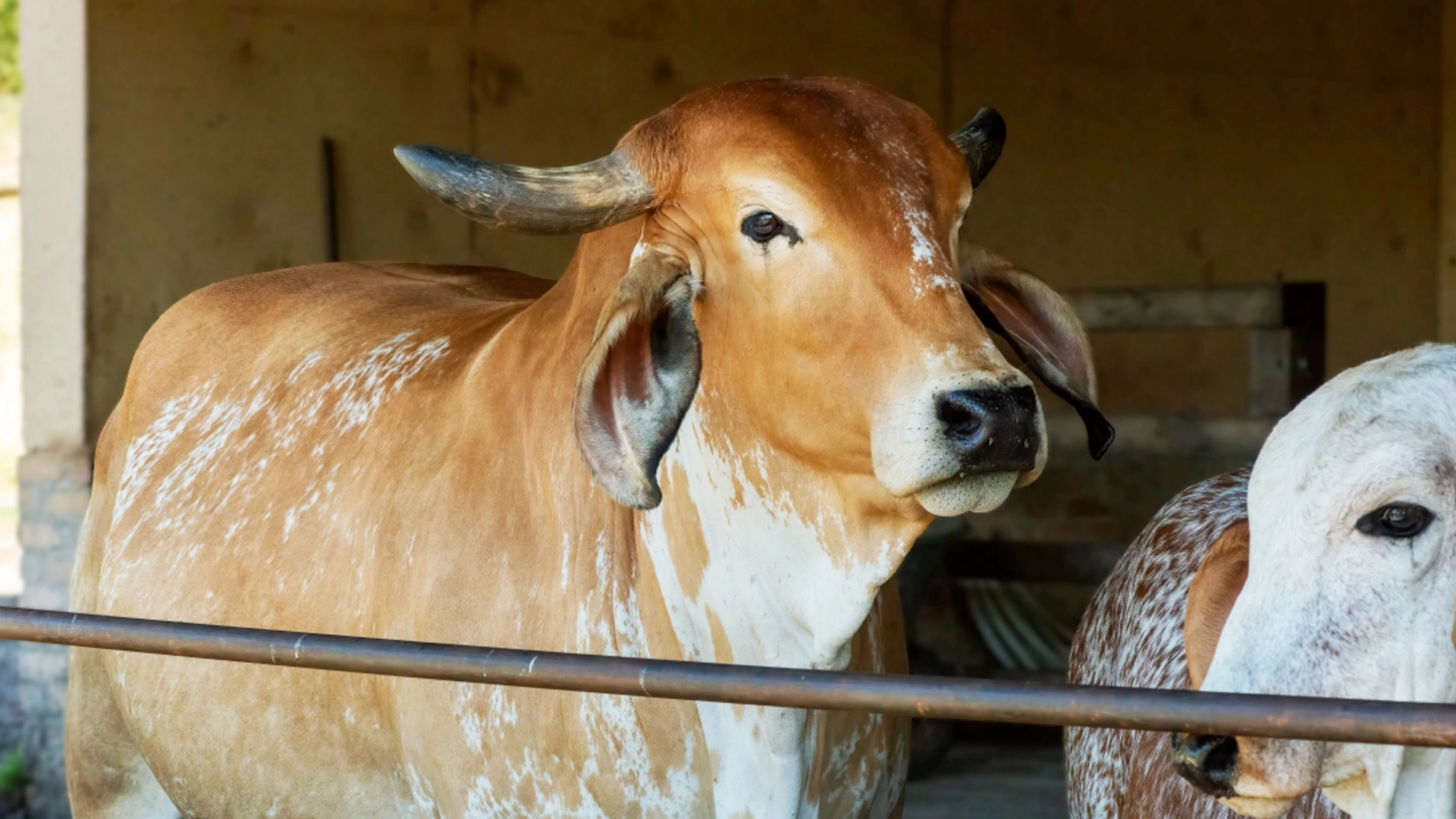
Why daily routine matters more than inputs On a small natural dairy farm, routine is not a timetable. It is the system itself. Feed quality, animal health, milk yield, labour stress, and even veterinary costs are shaped less by what you buy and more by how consistently daily work is done. At Terragaon Farms in
Why Fodder Fails Before Milk Does in Small Dairy Farms of Birbhum
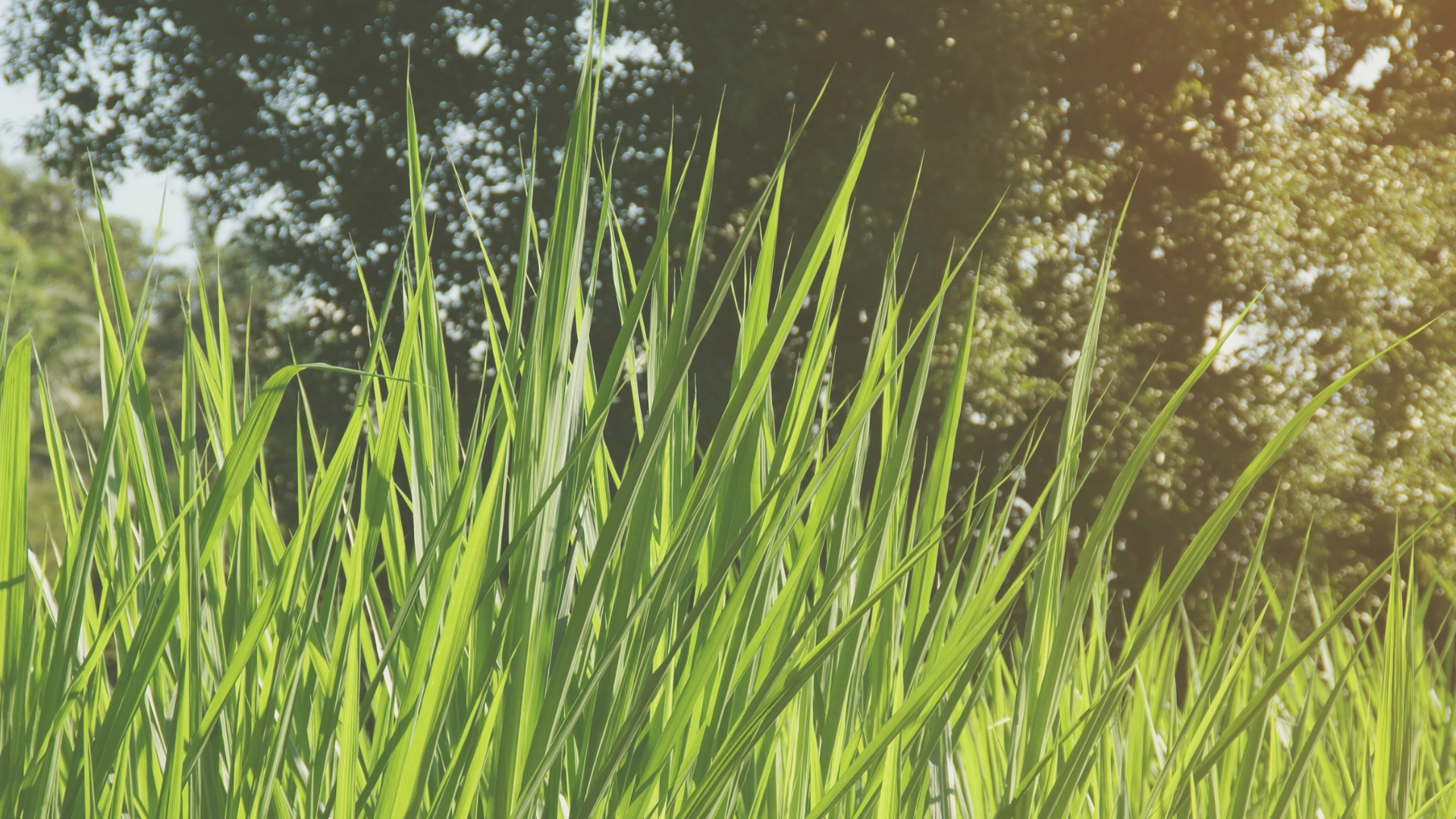
We write this from daily work at Terragaon Farms in Birbhum district. The observation is simple and uncomfortable. In small dairy systems here, milk yield does not collapse first. Fodder systems do. By the time milk drops sharply, the damage has already been done in soil, seed choice, labor rhythm, and cash flow. This article
What Happened When We Stopped Tilling Completely on One Section
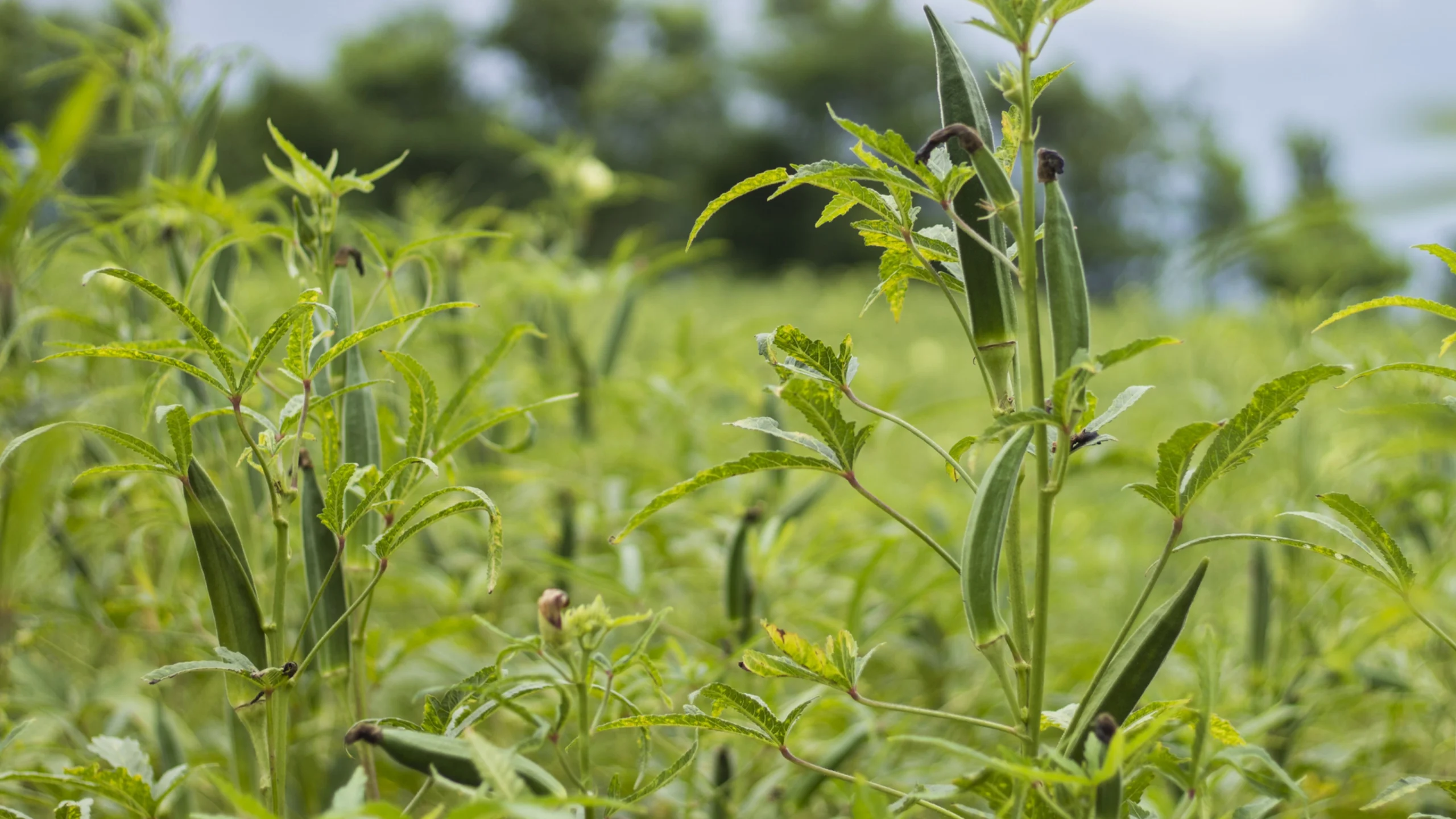
We stopped tilling one section of our farm not to follow a trend, but because the soil was showing fatigue. This was a controlled decision on lateritic land in Birbhum, not a full-farm conversion. What followed surprised us. The soil did not soften. Weeds did not reduce. Crops did not thank us immediately. This article
Why One Plot Improved Faster Than Another on the Same Farm
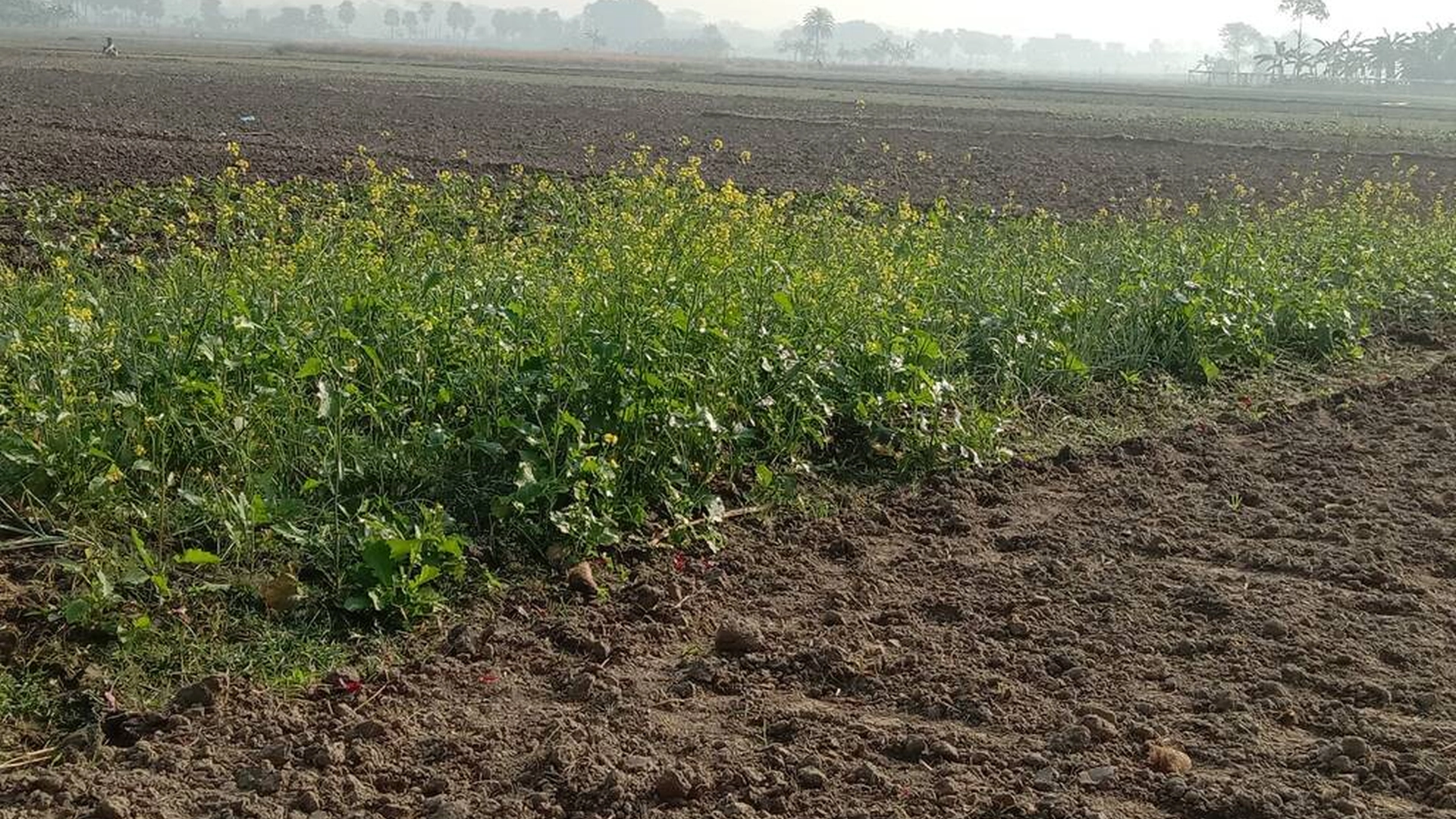
At Terragaon Farms, we learned early that farms do not improve evenly, even when managed the same way. Two plots can sit side by side, receive the same inputs, follow the same schedule, and yet respond very differently over time. One softens faster, holds moisture longer, and begins supporting stronger plant growth, while the other
Does Jeevamrut Improve Soil or Only Stimulate Microbes Temporarily? Our Field Observation
Jeevamrut is often spoken about with certainty. Some describe it as a soil builder. Others dismiss it as a temporary stimulant. On working farms, the truth sits between these positions and depends heavily on context, timing, and how the rest of the system is managed. At Terragaon Farms in Birbhum, West Bengal, we used jeevamrut
Mulching Trial on Red Lateritic Soil: What Changed After One Full Season
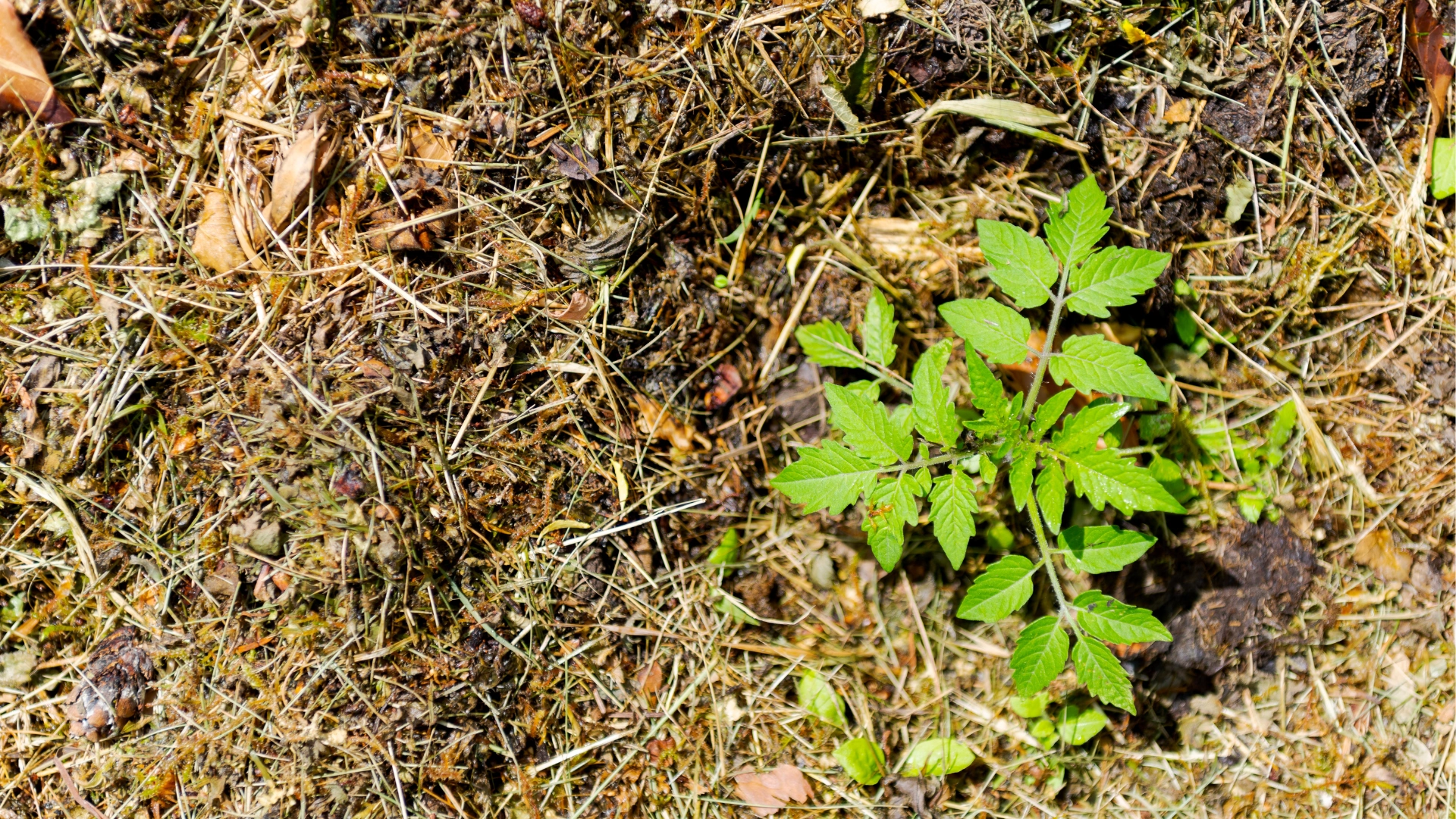
Mulching is often presented as a simple solution. Cover the soil and everything improves. In reality, especially on red lateritic soil, the effects of mulching are gradual, uneven, and deeply tied to labor and timing. This trial documents what actually changed on our farm after one full cropping season of continuous mulching, and what did
What Our Soil Looked Like Before and After Two Years of Change
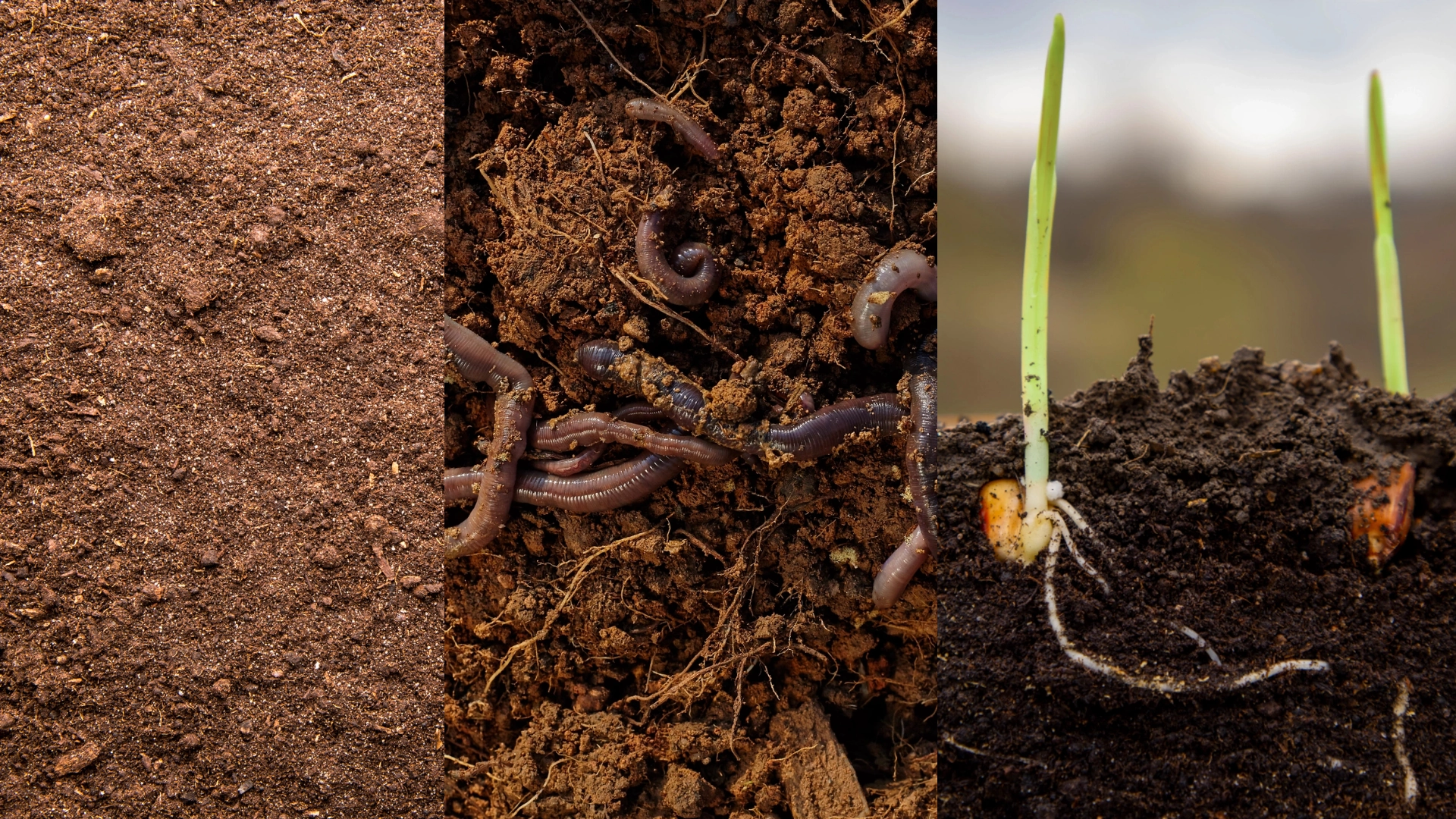
When people ask whether soil really changes, they usually expect laboratory numbers. At Terragaon Farms in Birbhum, West Bengal, the first evidence did not come from reports. It came from how the soil behaved under our feet, in our hands, and around plant roots. This is a field level account of what our soil looked
Is Natural Farming Suitable for Red Lateritic Soil
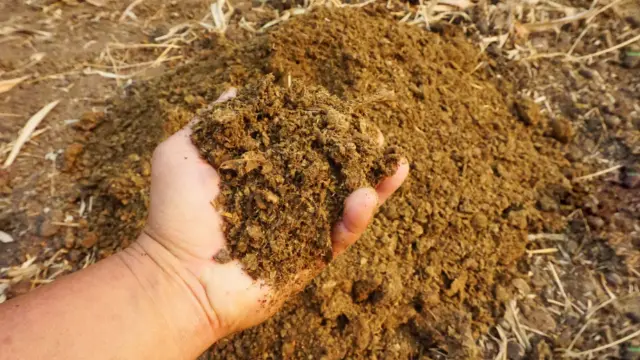
Red lateritic soil is often described as difficult, weak, or unsuitable for serious farming. Farmers working on this soil hear the same advice repeatedly. Add more fertilizer. Add more water. Accept lower yield. In regions like Birbhum, Bankura, Purulia, parts of Jharkhand, Odisha, and eastern Maharashtra, red lateritic soil shapes daily farming decisions. At Terragaon
Terragaon Trials: What We Tested, What Changed, What We Learned
Most farming stories online are told in finished sentences. Clear methods. Clean outcomes. Confident conclusions. Real farms do not work that way. They move through uncertainty, partial success, slow change, and occasional failure. Terragaon Trials exists to document that reality honestly. At Terragaon Farms in Birbhum, West Bengal, trials are not conducted to prove that
Learning From Failure: What Farming Teaches When Things Go Wrong
Most farming stories are told from the end. The good harvest. The healthy animals. The system that finally works. What is rarely spoken about, especially in public, is everything that went wrong before that point. In real farming, failure is not an interruption. It is part of the curriculum. At Terragaon Farms in Birbhum, West