
Krittika Das
Krittika Das is a field practitioner and primary author at Terragaon Farms in Birbhum, West Bengal. Her writing is grounded in daily farm work, long-term soil observation, and small-land realities of eastern India. She focuses on natural farming, soil ecology, ethical dairy, and low-input systems, translating field experience into clear, practical knowledge for farmers and conscious food consumers.
Heat Stress Is Quietly Destroying Dairy Profit in Indian Summers
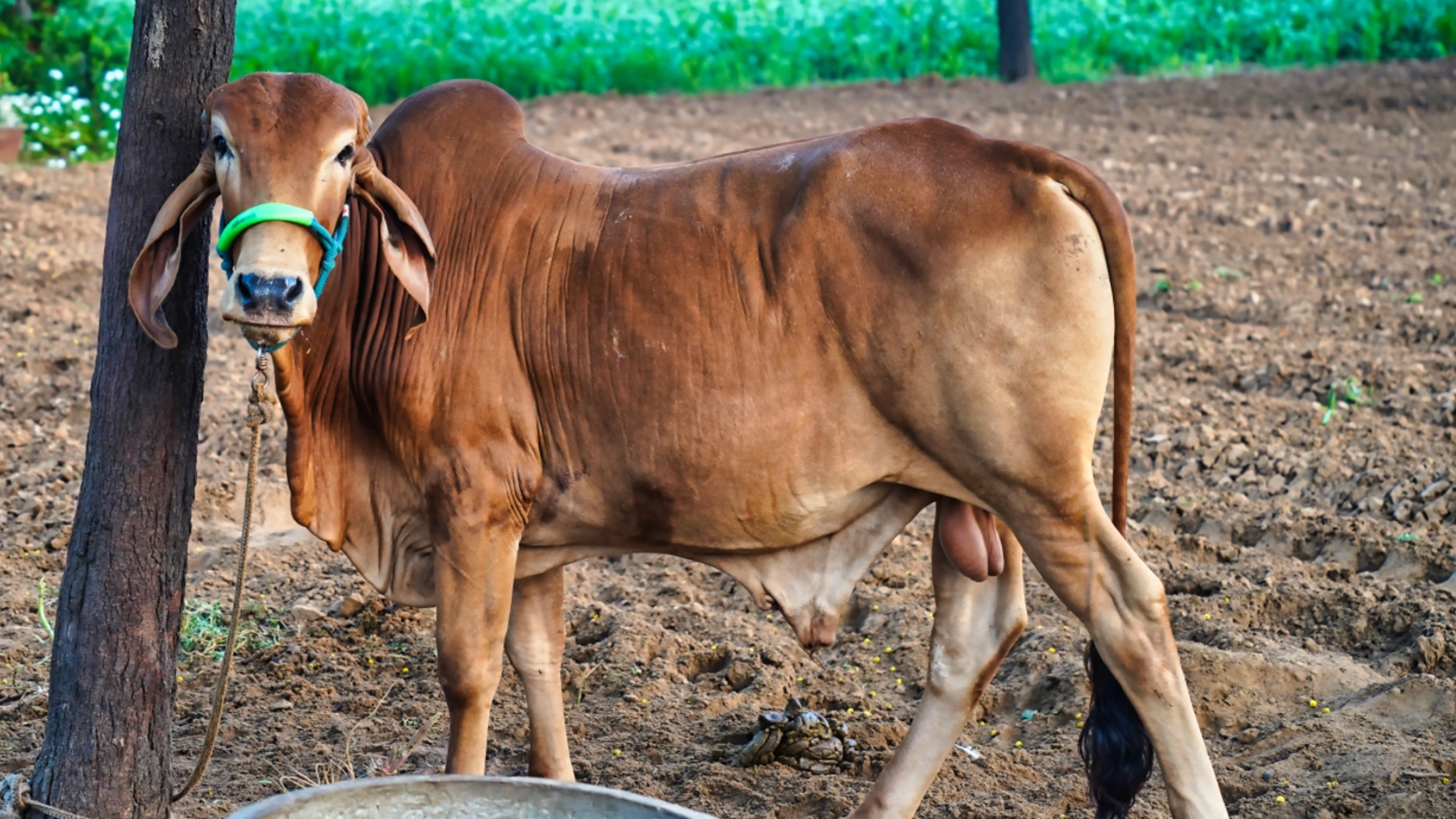
Heat stress is one of the biggest hidden productivity killers in Indian dairy systems. Cows begin to experience heat stress when body heat production exceeds their ability to dissipate it, often at temperatures above 27–28°C when humidity is high. In Indian summers, especially in eastern and central regions, unmanaged heat stress reduces feed intake, fertility,
Why Small Dairy Farms Fail and How to Avoid Common Mistakes
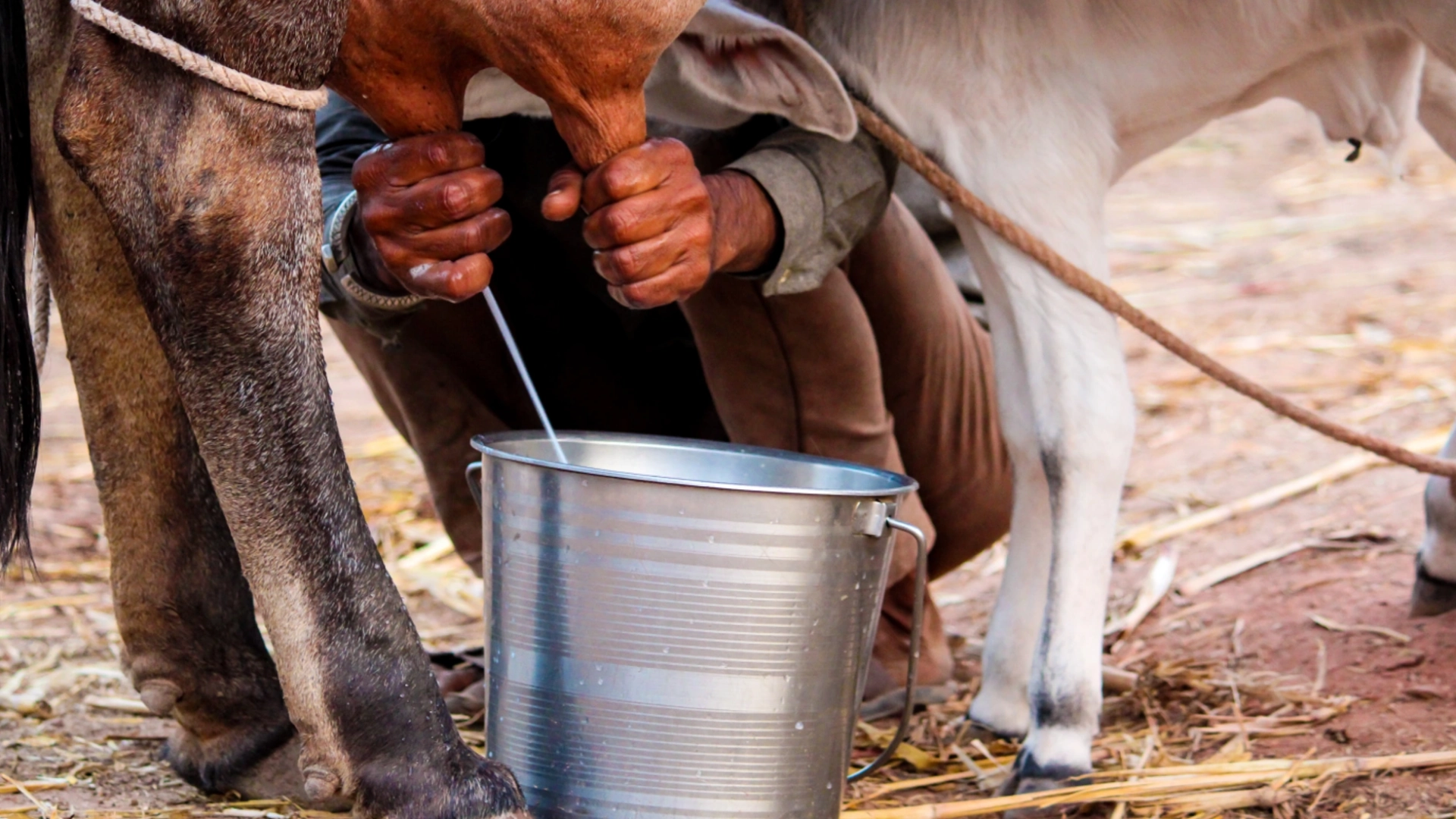
Small dairy farms fail not because farmers lack effort, but because they copy large-dairy logic into small-farm realities. At Terragaon Farms in Birbhum, West Bengal, the most common dairy mistakes involved overfeeding concentrates, choosing unsuitable breeds, ignoring soil–fodder linkage, misreading animal health signals, and chasing yield instead of stability. These mistakes increase costs, stress animals,
A2 Milk Profitability on Small Farms
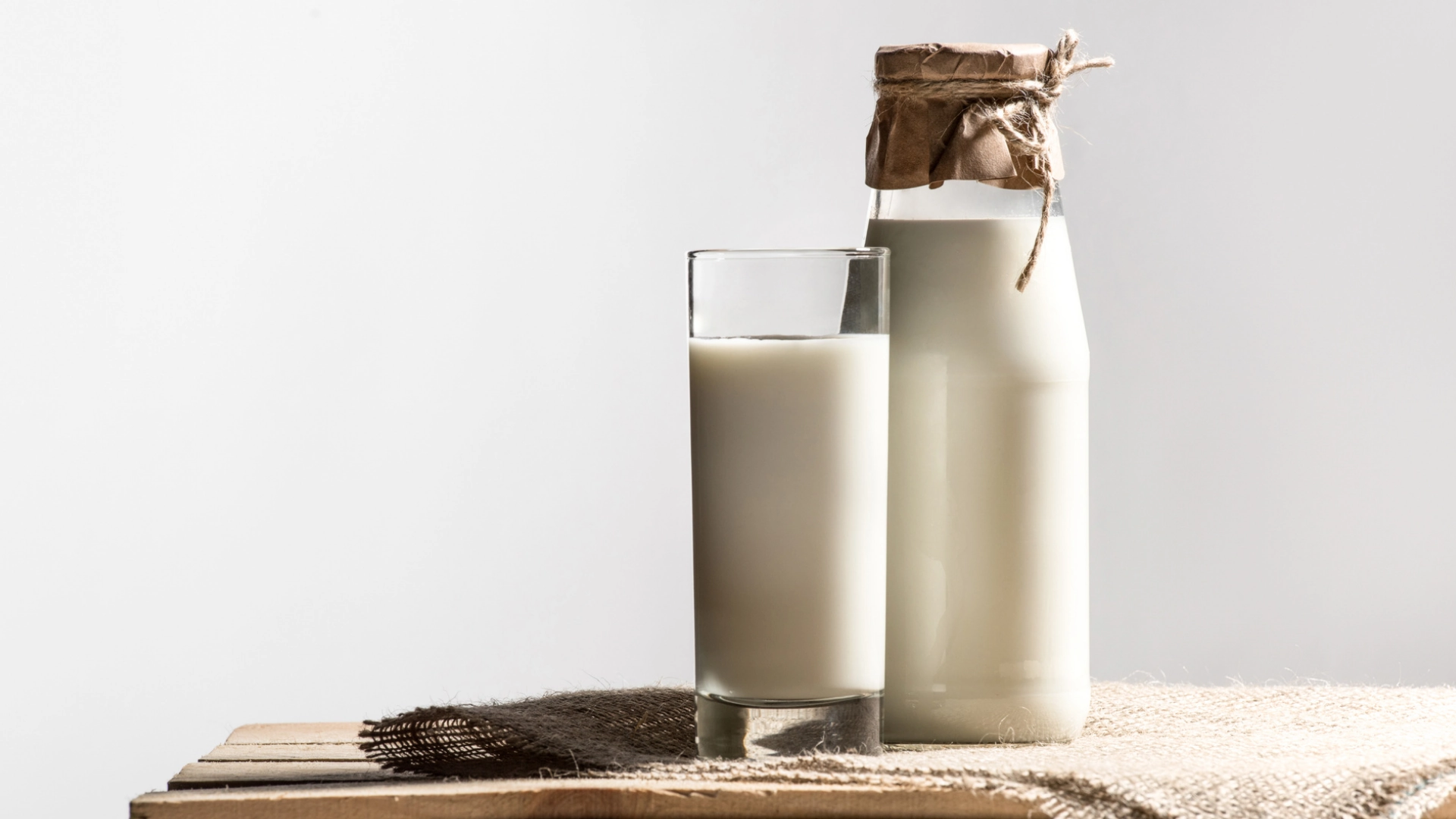
A2 milk can be profitable on small farms only when produced using indigenous cows under low-input systems. At Terragaon Farms in Birbhum, West Bengal, A2 milk profitability came not from higher milk yield but from lower feed costs, reduced veterinary expenses, stable fertility, and reliable local pricing. Small farms that chase volume fail. Small farms
Indigenous Cow Breeds for Small Farms in India
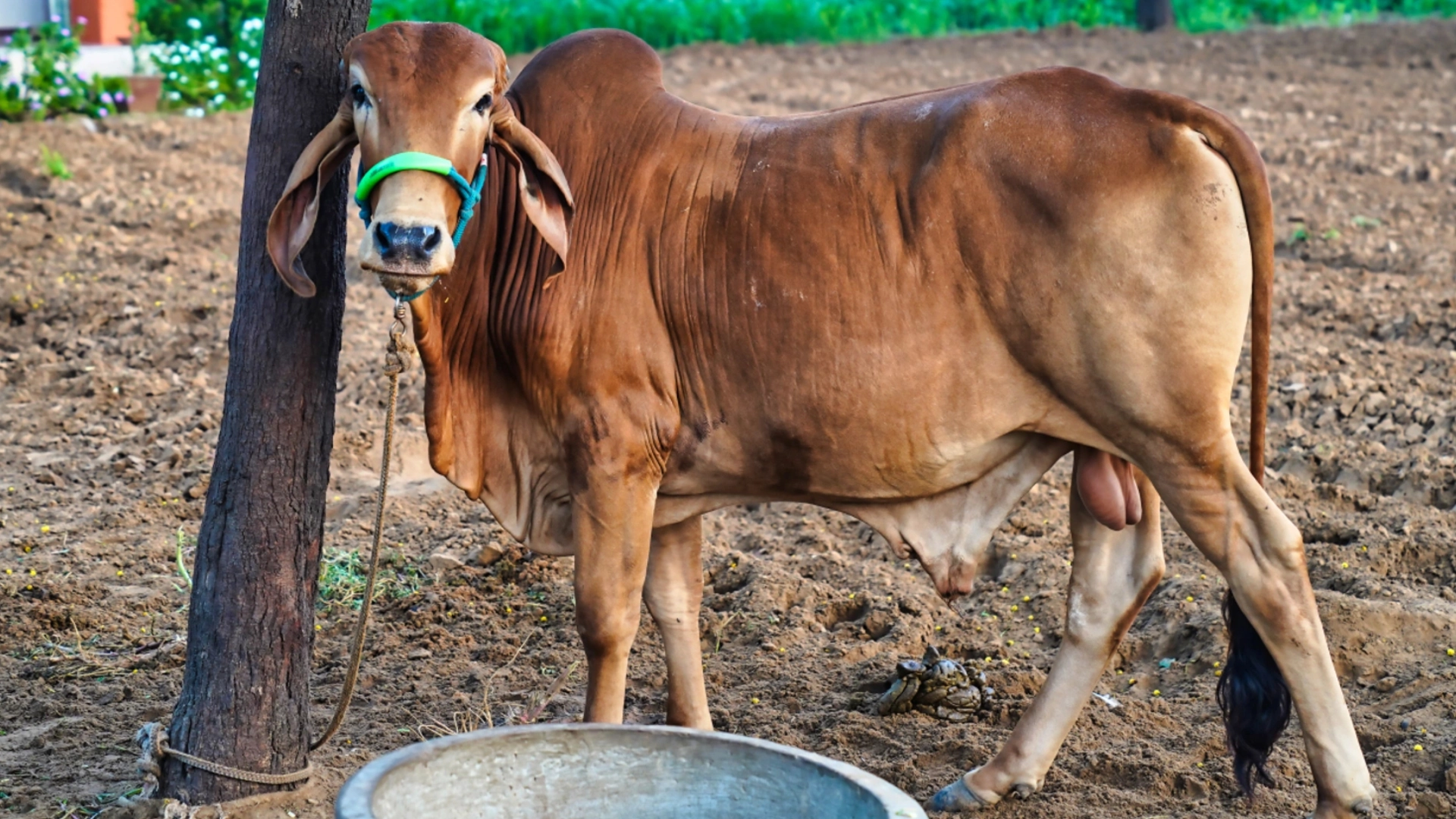
Indigenous or ‘desi’ cow breeds are better suited for small farms in India because they are biologically adapted to local climate stress, low-input feeding systems, disease pressure, and irregular management conditions. At Terragaon Farms in Birbhum, West Bengal, desi cow like Gir, Sahiwal and local non-descript indigenous cows consistently showed better health stability, lower veterinary
Nutrient Density in Naturally Grown Vegetables
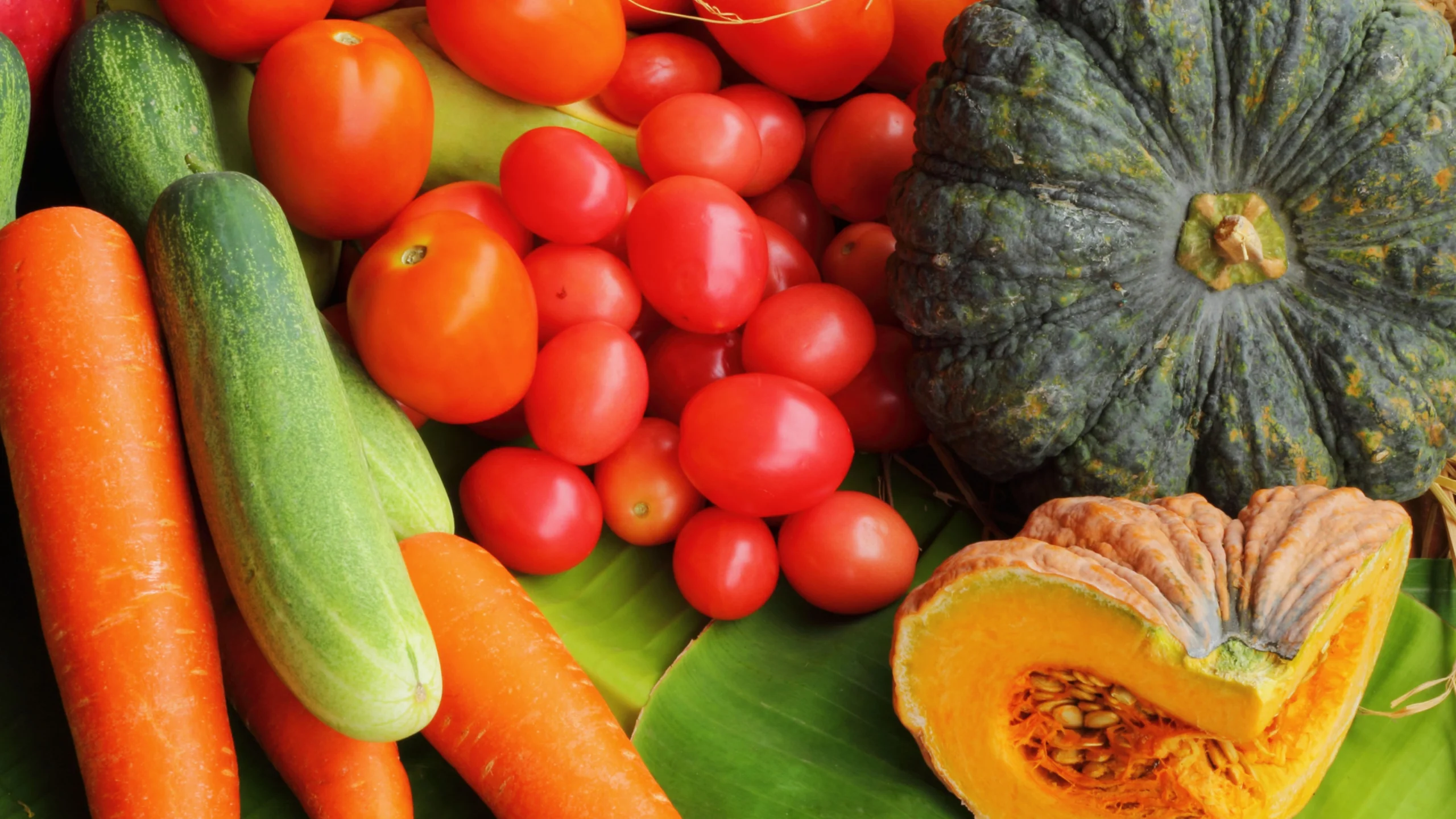
Naturally grown vegetables are more nutrient-dense because healthy soil biology regulates mineral uptake, slows growth speed, and stimulates the formation of secondary plant compounds. At Terragaon Farms in Birbhum, West Bengal, vegetables grown under natural, low-input systems consistently showed deeper colour, stronger aroma, longer shelf life, and higher perceived satiety. Nutrient density is not created
Soil Health and the Food Taste Connection
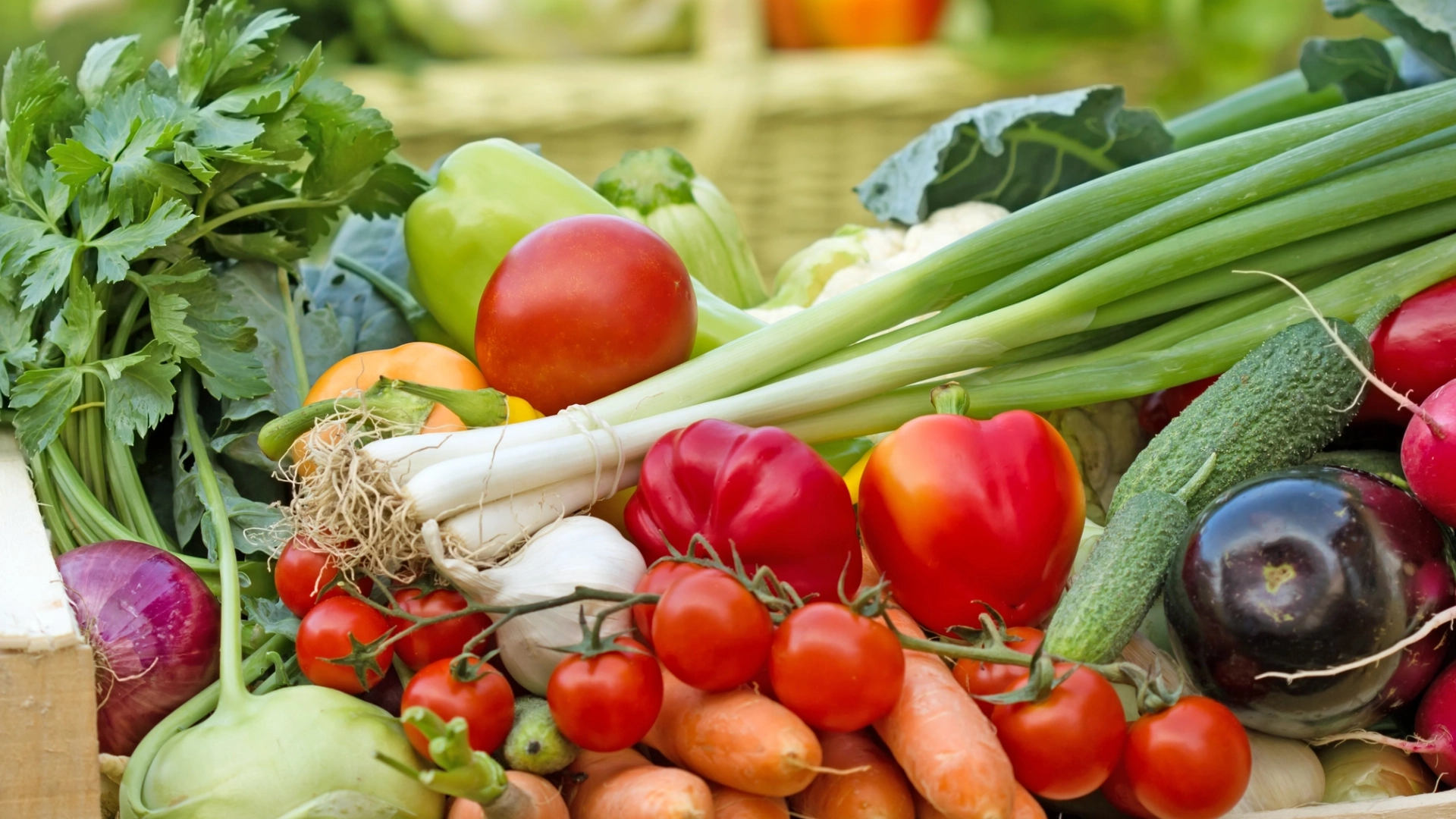
Food tastes better when it is grown in biologically active, well-structured soil.At Terragaon Farms in Birbhum, West Bengal, crops grown in healthier soil consistently show stronger aroma, deeper flavour, and longer aftertaste compared to crops grown in degraded or chemically forced soils. The reason is scientific, not sentimental. Soil health directly controls mineral uptake, secondary
Crop Residue Management Without Burning
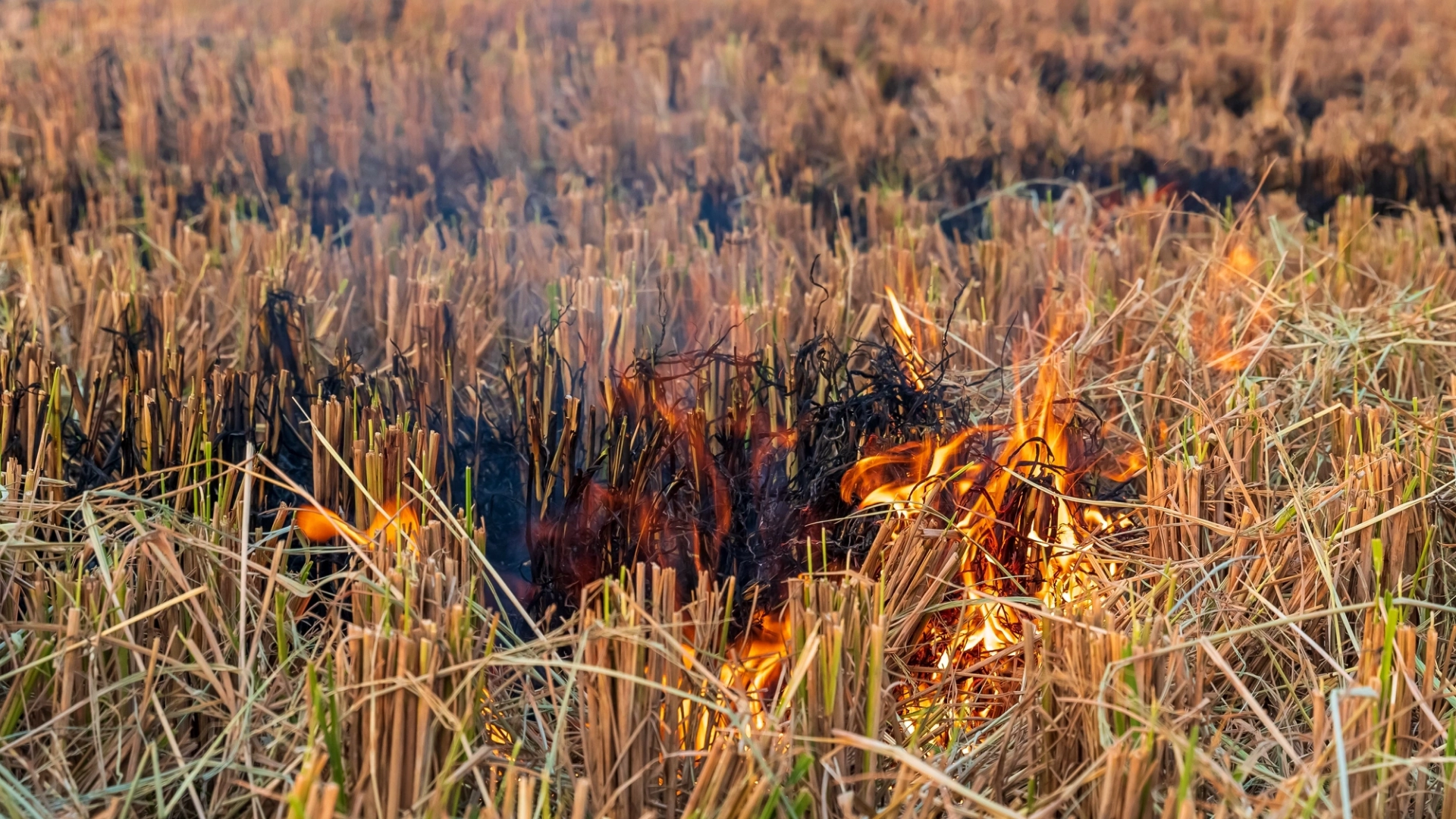
Crop residue can be managed without burning by retaining residues on the soil surface as mulch, selectively incorporating them into the topsoil, or reallocating them to livestock and compost systems. At Terragaon Farms in Birbhum, West Bengal, field observations show that residue retention improves soil moisture stability, reduces surface crusting, and increases soil organic carbon,

What Beginners Should Learn First: Soil, Crops, or Compost
What should beginners learn first in farming Beginners should learn soil first, not crops or compost.At Terragaon Farms in Birbhum, West Bengal, every beginner failure we documented was caused by misunderstanding soil behavior under heat, monsoon rainfall, and low-input conditions. Crops only perform within soil limits. Compost only accelerates existing soil processes. Without soil literacy,

Reading Dung: Using Manure as a Diagnostic Tool on Small Dairy Farms
In the daily rhythm of a smallholder dairy farm in Birbhum, the focus almost inevitably drifts toward the milk bucket. Volume, fat percentage, and SNF (Solids Not Fat) are the metrics that determine the daily payout. However, focusing solely on output often masks the inefficiencies of the input. At Terragaon Farms, we have learned through
Natural Feeding Strategy for Indigenous Cows in Eastern India
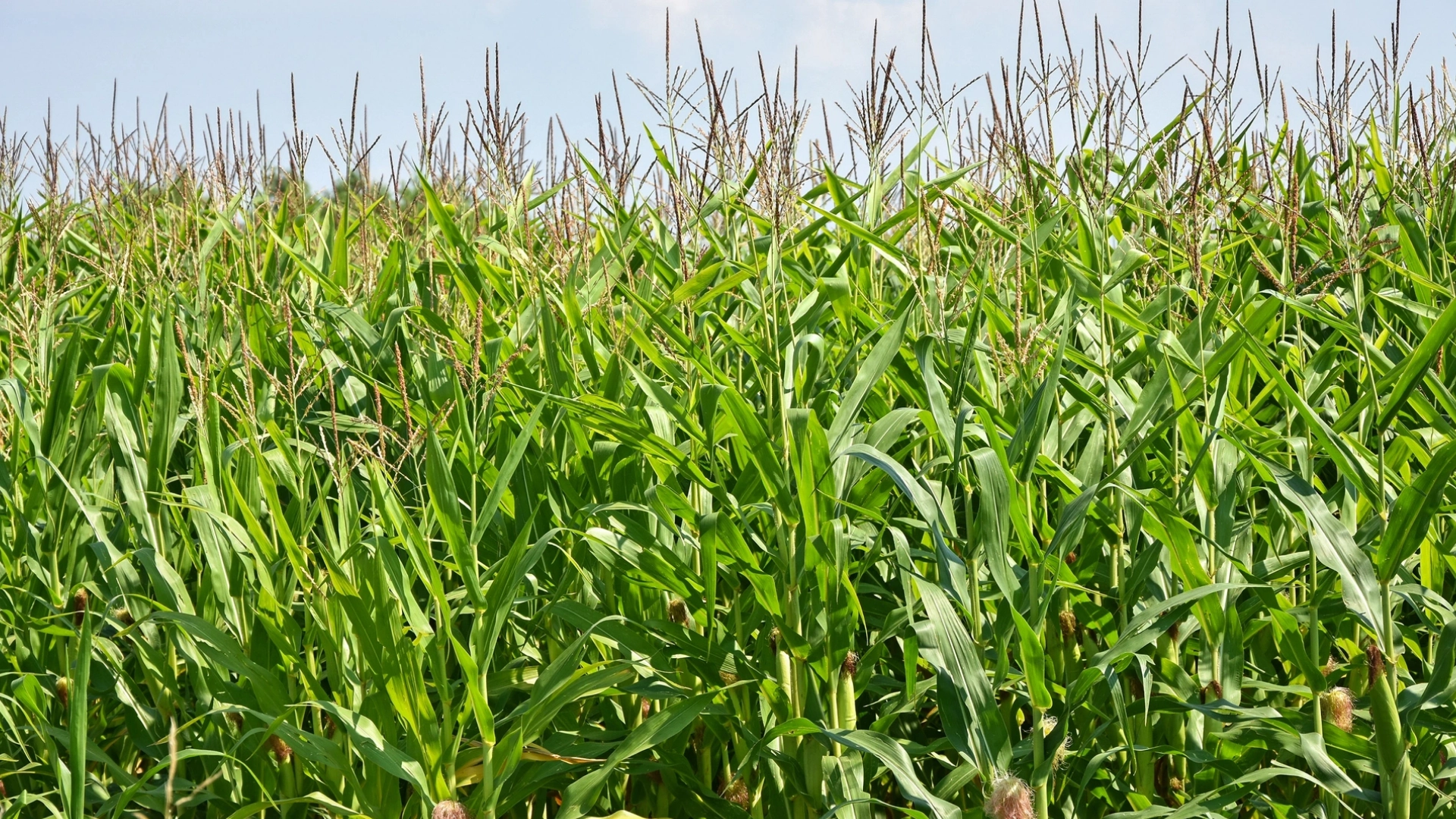
Indigenous cows evolved on local pastures and require a different approach than high-input breeds. At Terragaon Farms in Birbhum and on similar small farms in Eastern India, we have designed feeding plans around the natural cycles of our land and the strengths of native cows. This strategy prioritises local forage, seasonal fodder planning, and simple